Reviewed · TEIDE NATIONAL PARK TOURS
Tenerife: Mount Teide Observatory Guided Tour
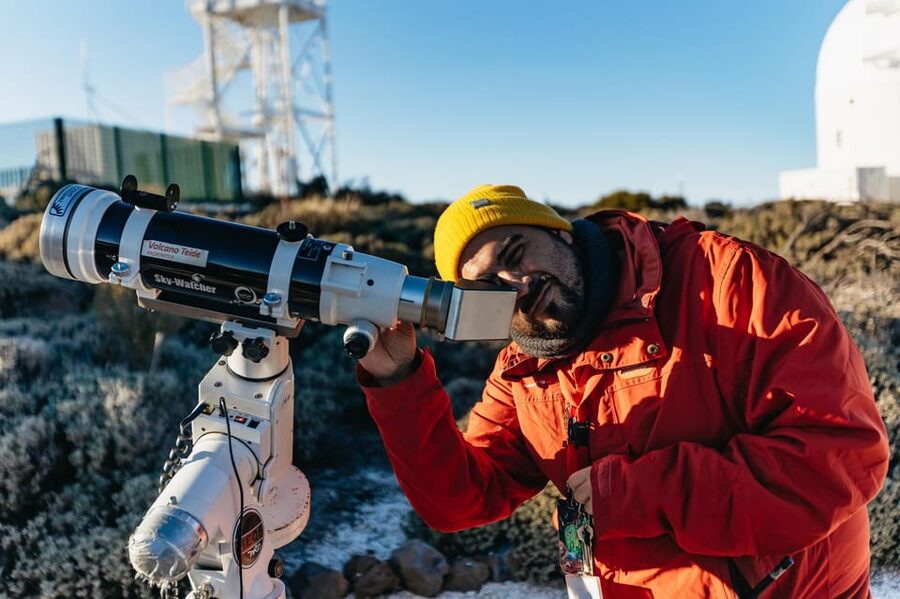
If you want a Tenerife activity that feels more like real science than sightseeing, this guided stop at the Mount Teide Observatory is a great pick. You’ll learn how the facility works and then actually look at the Sun through professional instruments, plus you’ll end at a night telescope so you can picture how astronomers study the sky after dark.
I especially love the mix of hands-on telescope time and the clear way the guide connects what you see to astrophysics. I also like that you get two different solar setups, since one is used for sunspots and the other for solar flares, so you see the Sun change in more than one way. The main drawback to plan around is the altitude, around 2,400 meters, plus gravel paths, cold wind in the shade, and a tour that is not a good fit if you have respiratory or heart-related issues.
What You’ll Do on the Mount Teide Observatory Tour
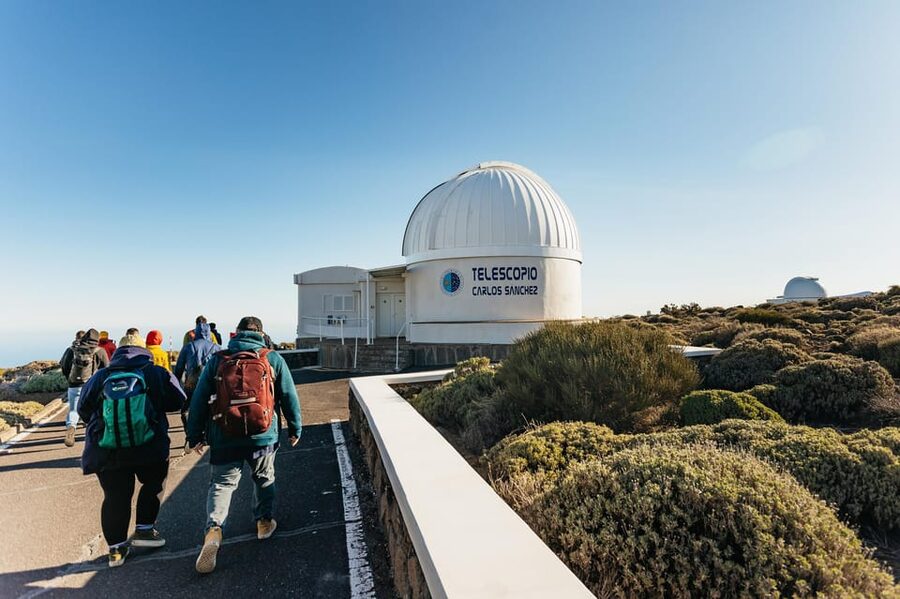
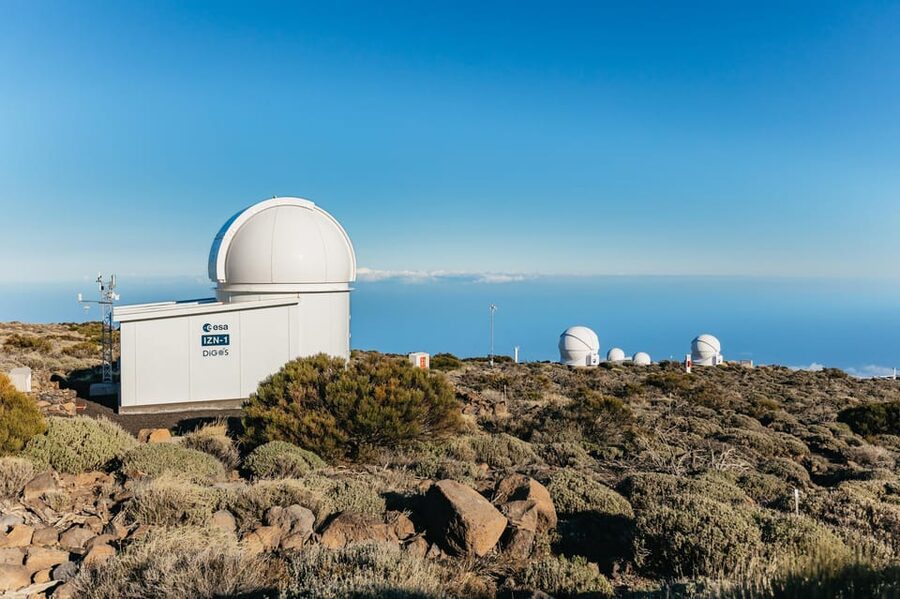
This is a focused 1.5-hour guided experience built around explanation, short media, and then telescope time. You’re not just walking past buildings. You’re learning what each part of an observatory does, why it matters, and how the equipment is set up for observing at solar wavelengths and for night sky work.
The flow is usually like this: an intro to the observatory areas, a short video about sky conditions in the Canary Islands and how the scopes work at night, then a guided walk through the facility. After that, you observe the Sun through two separate solar telescopes, each tuned to a different solar feature. The tour ends at a nocturnal telescope, so you get the feel of what a major night observatory looks like up close.
Because it is short, you’ll want to show up prepared. If you bring the right clothing and sunglasses and you’re okay moving on gravel, you’ll get a lot out of the time.
Why This Observatory Experience Feels Different Than Usual Tenerife Tours
Tenerife has plenty of big views, great food, and classic island stops. What makes this one stand out is that it turns your attention to something smaller but more mind-bending: our nearest star.
Instead of just learning that the Sun is huge, you learn that it has moving patterns you can observe safely with the right filters. And instead of only hearing about stars and galaxies, you get a tour of how a place like this actually operates, including the night telescopes that keep working when conditions are right.
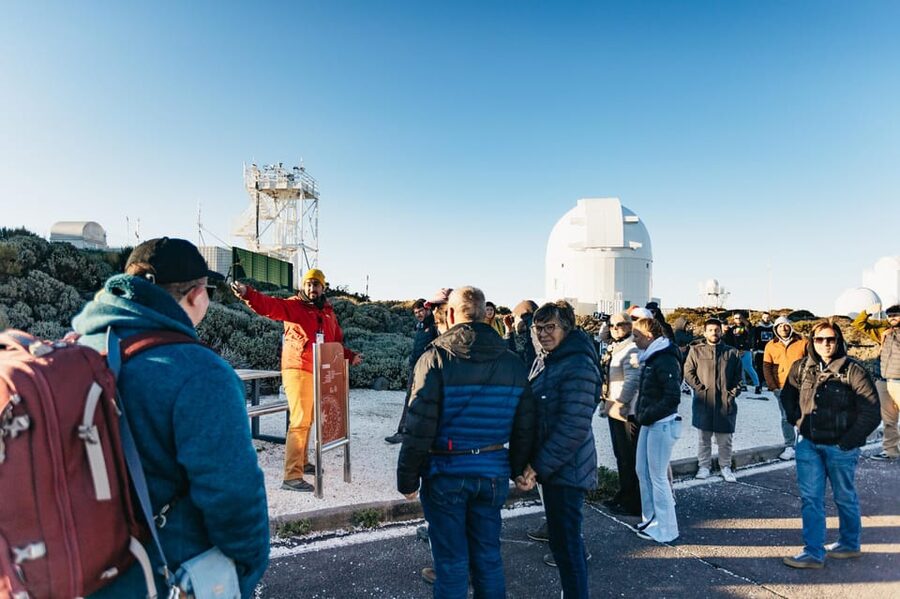
It also has a “wait, what am I looking at?” energy in the best way. The pictures you see on screen and the explanations from the guide help you read what the telescope is showing. Guides have been described as enthusiastic and funny, and that matters, because the science can feel abstract until someone puts it into plain language.
More Teide National Park tours:
- Tenerife: Mount Teide Tour with Cable Car Ticket & Transfer
★ 4.3 · 5,094 reviews - Tenerife: Teide National Park Sunset & Stargazing Tour
★ 4.2 · 3,812 reviews - Tenerife: Sunset and Stargazing at Teide National Park
★ 4.7 · 2,826 reviews
Entering the Observatory: Altitude, Weather, and What to Wear
This observatory sits at about 2,400 meters, where oxygen levels are lower. That doesn’t mean you have to cancel, but it does mean you should take it seriously. You may need a slower pace as you move around on gravel paths.
Here’s what I’d do before you go:
- Dress for layers. Warm clothing is essential, because it can feel cold and windy on top, especially in the shade.
- Bring sunglasses and sunscreen. The Sun is intense at altitude, and the tour includes outdoor time.
- Wear comfortable shoes with good grip. Gravel paths and uneven ground are part of the visit.
If you have respiratory issues, mobility limitations, anemia, cardio problems, or you know altitude affects you, this tour is not the best match. The experience is also listed as not suitable for children under 8, and kids need to confirm age with a passport or ID.
If you tend to run warm, you’ll still want a jacket. Many people get caught by the temperature swings: sunny and bright in one moment, cool and gusty the next.
Meeting Your Guide and Getting Oriented Inside the Facility
The guide experience is a huge part of the value here. Tours are offered in English, Spanish, German, and French, and the best thing you can do is treat the first part as your setup.
The session begins with an introduction to different areas of the observatory. Then you watch a short video about the Canary Islands sky and how the scopes work at night. That quick primer helps you make sense of what comes next, because the telescope visit is not random. It is tied to specific targets and the physics behind them.
Past visitors have mentioned guides by name, including Jesus, Raquel, and Steffi. Since you can’t count on the exact guide you’ll get, the safer takeaway is this: the tour is built around guided explanation, and the guides are typically active, upbeat, and willing to answer questions.
Solar Telescopes: How You See Sunspots and Solar Flares
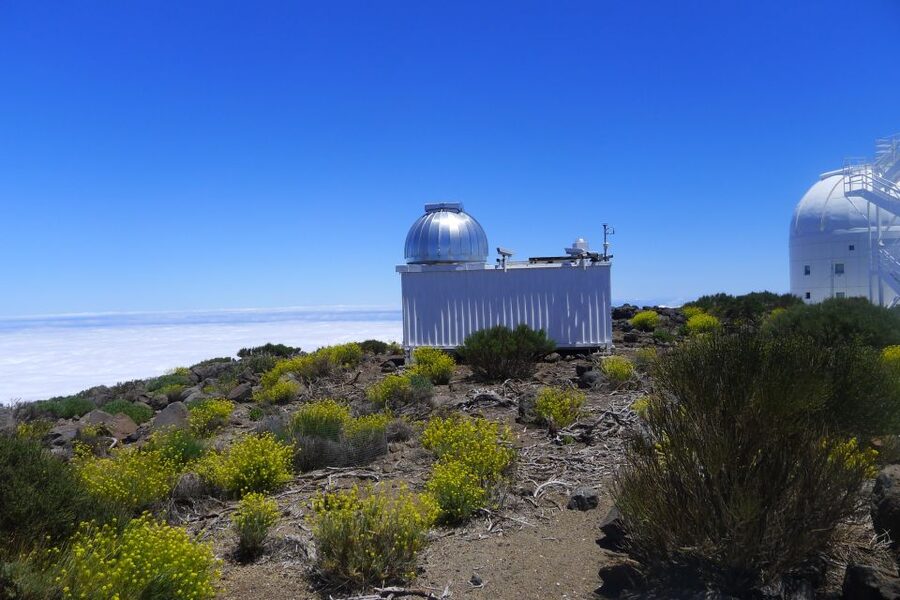
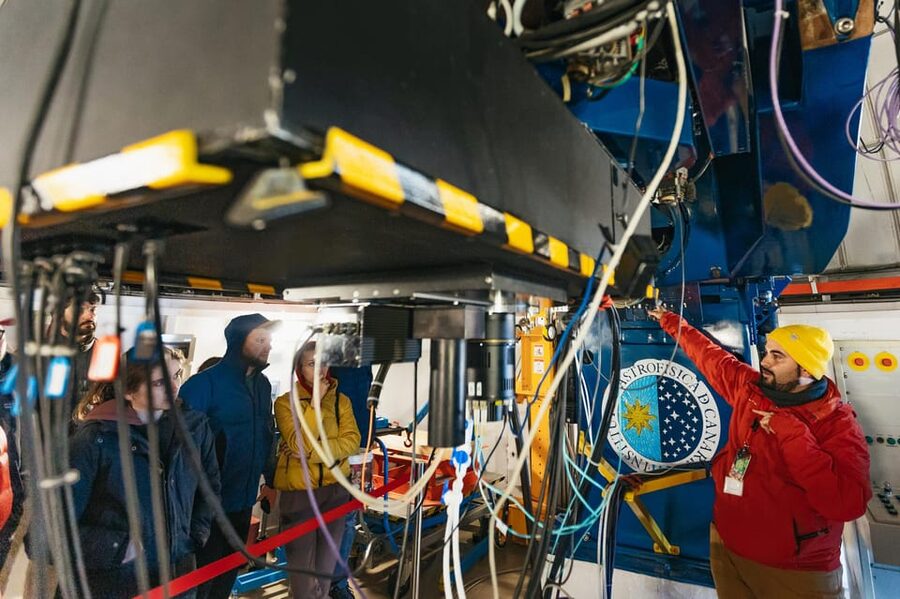
This is the heart of the tour. You get to observe the Sun through two different solar telescopes, each aimed at a different type of feature.
One telescope is used to see sunspots. You’re basically looking for darker areas where magnetic activity is changing how heat flows on the solar surface. The other telescope is set up for solar flares, which come from intense magnetic energy in the Sun’s atmosphere.
A reality check that helps set expectations: you will not see the Sun like a movie explosion. With the right filters, the view often looks more like patterns, contrasts, and color-tinted structures than dramatic blasts. That said, once you know what the guide is pointing out, those details start to “click.” You’ll realize you’re seeing phenomena tied to magnetic activity and how the Sun affects space weather.
Also, because the tour happens at altitude with strong light, the staff pay attention to skin protection. You should treat sunglasses and sunscreen as non-negotiable, and you might even be offered sun protection tools like umbrellas during outdoor waiting time.
A few more Tenerife days worth comparing
- Teide: Guided Sunset & Stargazing Tour by Night with Dinner
★ 4.7 · 1,339 reviews - From Tenerife: La Gomera Day Trip with Guide
★ 4.1 · 579 reviews - Tenerife: Jet Ski Guided Tour with Optional Photo Service
★ 4.8 · 491 reviews - Tacoronte: Guided Winery Tour with Wine and Cheese Tastings
★ 4.6 · 481 reviews
The Night Telescope Stop: Seeing the Other Side of the Observatory
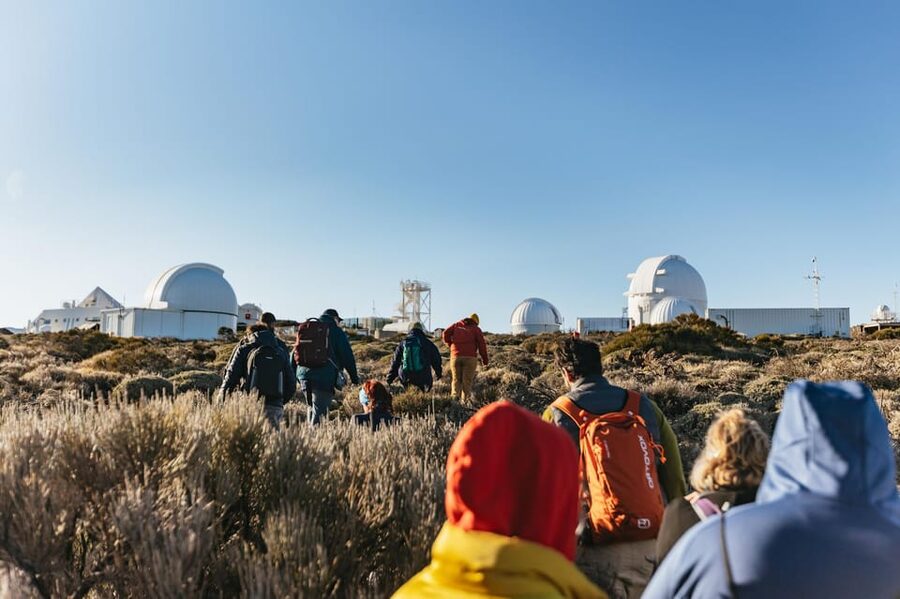
After the solar observing, the tour takes you to a nocturnal telescope. This is where the experience shifts from “our Sun” to “how we study the universe.”
Even if you are not observing stars that very moment, just walking up to a large night telescope changes your perspective. It helps you understand the scale of the equipment and why observatories are built with such care for stability, optics, and timing.
This stop is also a nice contrast to the bright daylight viewing. You get a sense of how the observatory can pivot between day science and night science, rather than being one-purpose or seasonal.
People often describe this part as feeling surreal, partly because you are inside or right next to major scientific structures, not just standing at a viewpoint.
The Value of Paying for a Guided Look Through Professional Scopes
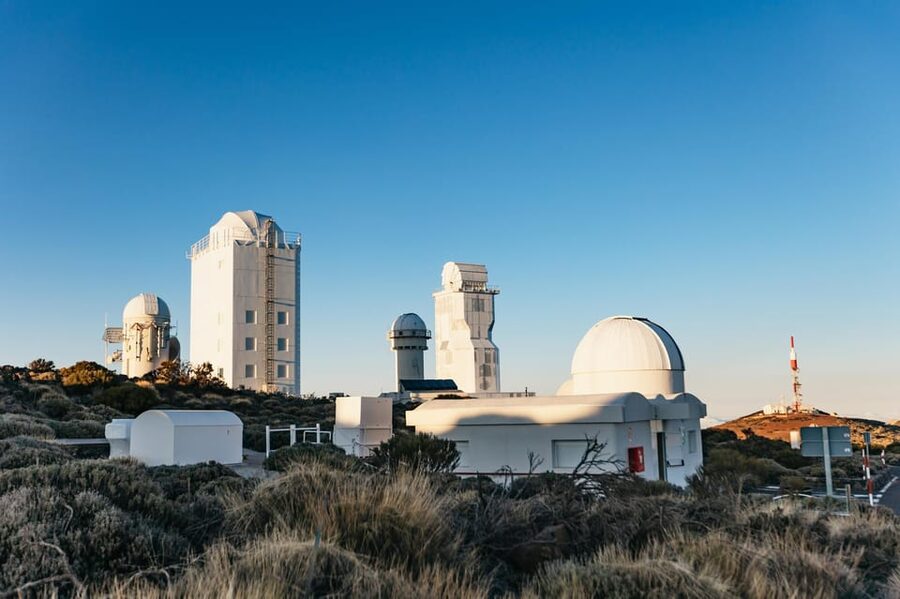
At about $25 per person for a 1.5-hour tour, the price feels reasonable because the ticket covers more than entrance. You’re paying for:
- Guided interpretation of what you see
- Access to the observatory areas
- Use of two solar telescopes
- Access to a professional night telescope
If you tried to do this on your own, you’d quickly run into the basics: you still need to get there, you’d likely miss the explanation, and you may not know how to observe safely. Here, the guide is translating the equipment and the science into something you can actually understand while you are looking through the scopes.
So for most visitors, it is not just a nice add-on. It is the type of activity where the guide makes the difference between seeing equipment and truly understanding what you are seeing.
Who This Tour Is Best For (and Who Should Skip It)
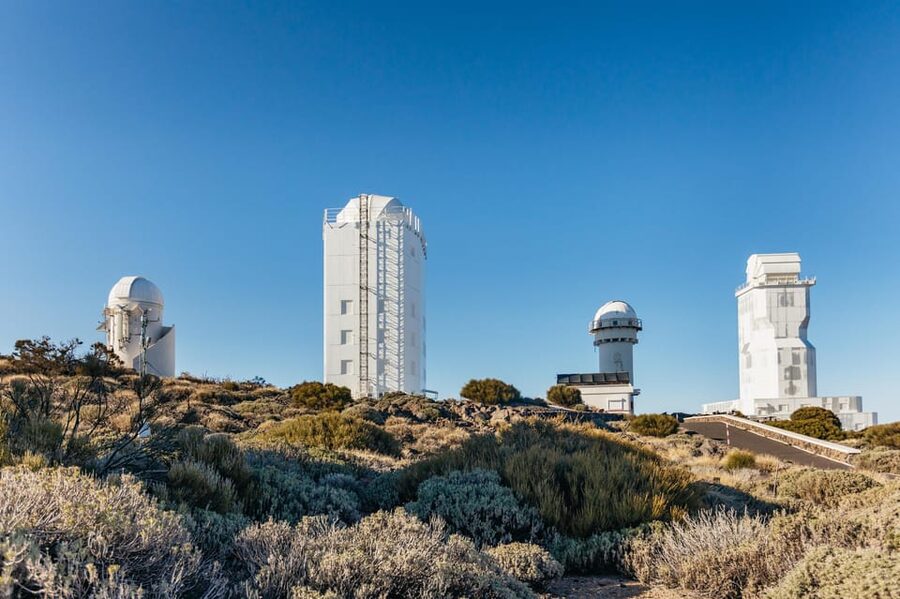
This works well for people who enjoy science, questions, and hands-on demonstrations. If you like astronomy even a little, you’ll get a lot out of seeing the Sun features directly and learning how astrophysicists think about them.
It is also a good fit for mixed groups, including adults with limited science background, because the guidance is set up to be understandable. Kids who are at least 8 can handle it best, since the tour involves outdoor time and walking on gravel paths. Shorter visitors may use thoughtful steps and accommodations, but it is not built as a stroller or mobility-friendly experience.
Skip it if altitude tends to bother you or if you have respiratory problems. Also, if you expect a super casual photo stop, this is more structured than that. You will be moving and listening, and the payoff is in the telescope time.
Practical Tips for Getting the Most Out of Your 90 Minutes
To make this tour smoother, plan for comfort and attention.
Wear: warm layers plus a jacket you’d actually want in cool wind.
Bring: sunglasses and sunscreen, plus a hat if you run sensitive to sun.
Shoes: comfortable and grippy for gravel.
Pace: take it slow during the climb on foot around the observatory.
If you arrive early, it can help to find a place to sit and keep water in mind. Some setups have areas where you can wait comfortably, but the exact details can vary by time slot.
And when you reach the telescopes, listen for what the guide wants you to notice. That’s where the experience becomes more than just looking.
Should You Book This Mount Teide Observatory Tour?
If you want one Tenerife activity that feels genuinely different from viewpoints and beaches, I think this is an easy yes. The combination of two solar telescopes, a professional night telescope stop, and a guide who ties it all together makes it worth it, especially at this price point.
Book it if:
- You like astronomy and want real scope time
- You’re comfortable with short walking on gravel at high altitude
- You’re ready for bright sun and possible cool wind up top
Think twice if:
- Altitude affects you or you have respiratory or cardiovascular issues
- You need a mobility-friendly route
- You want something purely relaxed and photo-focused
If you fall into the first group, this is the kind of tour that leaves you feeling like you saw science up close, not just read about it later.
Recently reviewed around Tenerife
- Shibari on the Beach★ 5.0 · 13 reviews
- Self Guided Scavenger Hunt – Costa Adeje★ 4.5 · 30 reviews
- Whale and dolphin watching tour Los Gigantes and Masca in small groups★ 5.0 · 30 reviews
- Sealife Dolphin & Whale Watching aboard Portuguese schooner★ 4.0 · 7 reviews
- Private boat tour★ 5.0 · 6 reviews
- Tenerife Under The Sea – dive into 1-1 personalised experience★ 5.0 · 15 reviews
- Scuba Night Dive on Tenerife★ 5.0 · 6 reviews
- Fishing trip, Tenerife Sea Passion★ 4.5 · 68 reviews
Teide National Park Tours, compared.
Mount Teide Tour with Cable Car Ticket & Transfer
Read our review →
Teide National Park Sunset & Stargazing with Dinner (Star Safari)
Read our review →
Teide National Park: Sunset & Stargazing Safari with Dinner
Read our review →
Mount Teide, Masca, Icod and Garachico Day Trip
Read our review →
Teide National Park Full-Day Tour with Pickup
Read our review →