
Reviewed · ALL TENERIFE
Tenerife: La Casa de Los Balcones Entrance Ticket
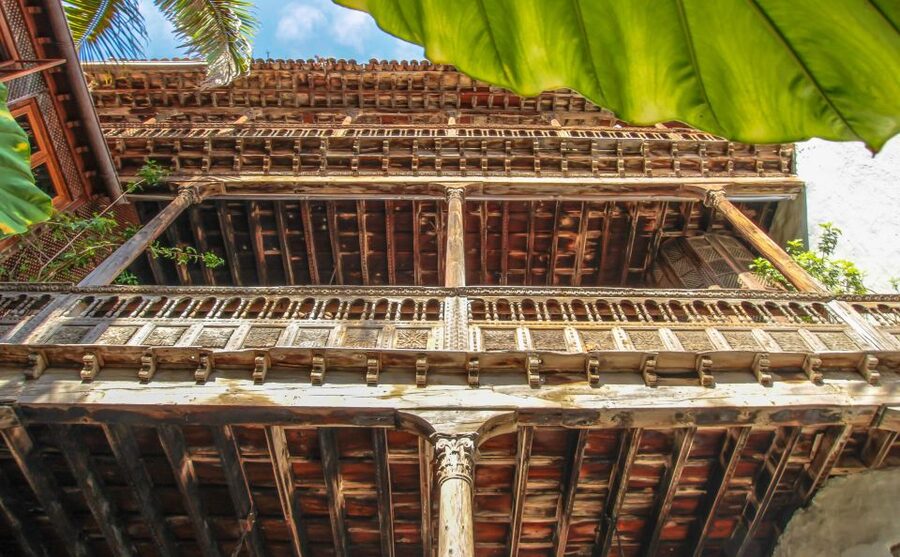
La Casa de Los Balcones is interesting because it is not a big, showy museum. It is a preserved 19th-century Canarian townhouse, so you get a more personal feel for how a family lived and what they kept. I love the former-owners’ antiques tucked into the rooms, and I also love the detailed Calados threadwork displays that show real local craftsmanship.
The main drawback to consider is that this is a small house museum. If you want a long, high-energy visit, the time you spend inside may feel short, and one review noted the audio guide can be temperamental on some Apple phones.
La Casa de Los Balcones in Tenerife: what you’re really paying for
For $7 per person, you are buying more than an entrance ticket. You are paying for access to a specific kind of experience: a home-turned-museum where the objects were saved in place, not just displayed in cases. That difference matters. When a house is arranged like a house, you naturally understand the flow of daily life, even if you only spend an hour or two walking through.
The other big value point is the included audio guide. You can wander at your own pace and still get context in your language. The tour supports Spanish, French, German, and English, and you get a downloadable audio guide tied to your visit.
Entry, audio guide, and how to plan your visit day
This is a straightforward self-guided experience. You will show your voucher at the museum’s entrance ticket collection point, then walk into the townhouse.
Your practical setup matters:
- The audio guide is included, but you need your own mobile phone and headphones to use it.
- The audio guide is available in Spanish, French, German, and English.
- You will get audio help as you move through the rooms and displays, including the Calados threadwork and the story behind the town’s cultural roots.
One quick note if you use an Apple phone. A verified booking mentioned the audioguide did not work properly with Apple. I cannot promise the same problem will happen to you, but it is worth downloading and testing your audio before you arrive, or at least having a backup plan (like using the written information on-site) if your device acts up.
A few more Tenerife days worth comparing
- Siam Park Entry Tickets
★ 4.5 · 15,710 reviews - Tenerife: Loro Parque Entry Ticket
★ 4.8 · 12,411 reviews - Loro Parque and Siam Park Combined Admission Tickets
★ 4.7 · 7,307 reviews
Stepping into a 19th-century Canarian townhouse museum
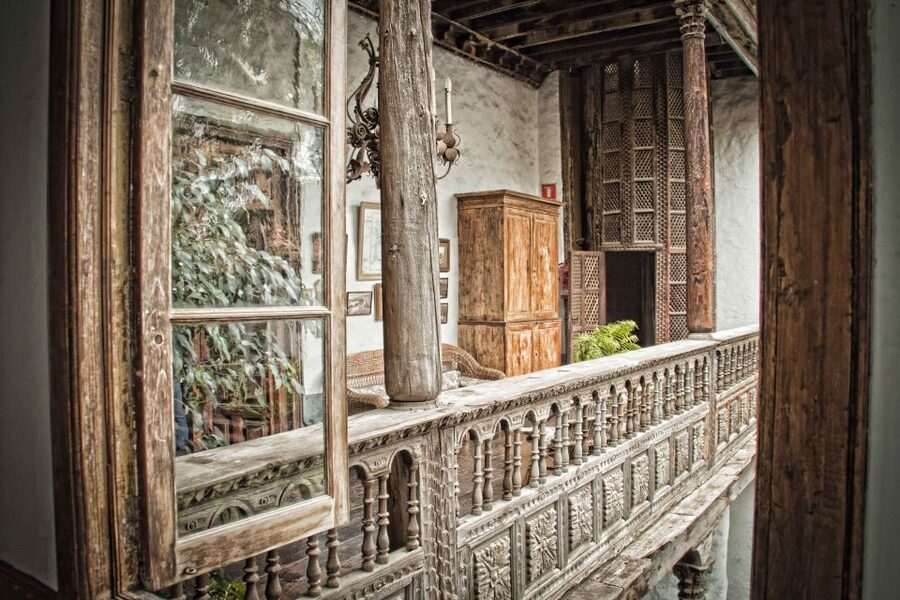
The core of La Casa de Los Balcones is the building itself. You enter a traditional 19th-century Canarian home that has been converted into a cultural museum. That means the visit is shaped by room layout, objects placed in context, and the preserved feel of domestic life.
In practical terms, this is what you can expect as you walk:
- Rooms that feel lived-in, with preserved belongings and personal antiques.
- Local art and displays placed to echo the home setting.
- A museum experience that stays grounded in daily Canarian life rather than turning into a distant, behind-glass spectacle.
I like this format because it is easy to focus. You do not need to match a million facts to a million objects. Instead, you get a consistent, human scale. You can slow down wherever something catches your eye, whether that is a piece of furniture, a collectible, or a crafts detail.
Possible drawback: because the setting is a home, the scale is limited. Plan for a visit that is likely shorter than the bigger indoor museums on Tenerife. If you only have a small free window in your day, that can actually be a plus.
The antiques collection: how families curated their lives
One of the strongest highlights here is the personal antiques collection. These are not generic “period pieces.” You get a sense of the individuals and their preferences through what they kept and how they displayed it.
Here’s why that matters for you as a visitor. In many museums, antiques are separated from context. In a townhouse, you naturally connect objects to routines. Even without a formal lesson, you pick up signals: what was kept close, what was valued, and how the home reflected personal identity.
If you enjoy domestic history, this is the part of the visit that usually feels most rewarding. Look for details that suggest how the owners used the space, not just what the objects were. That is where the atmosphere comes from.
Local art and craft displays, with Calados threadwork as the star
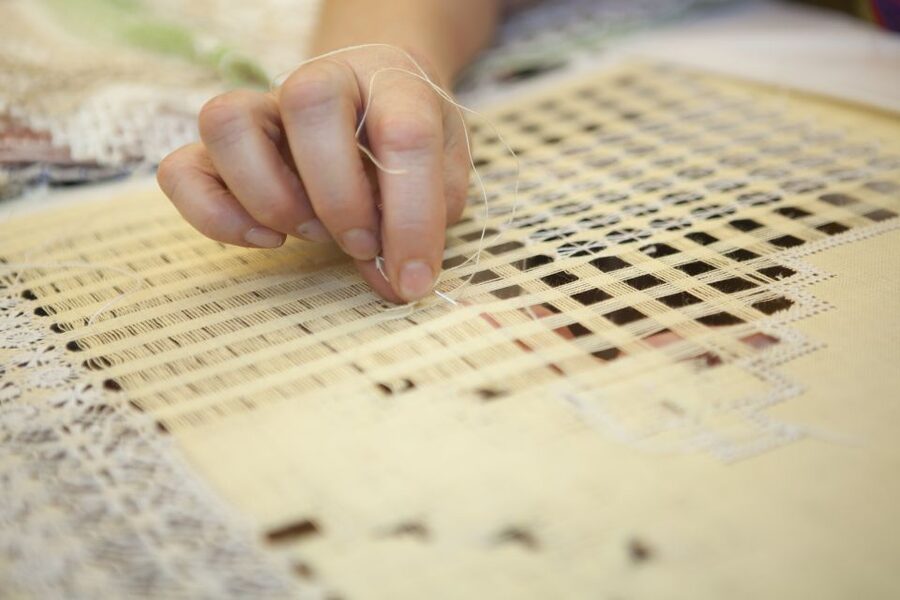
The most distinctive craft in the museum is Calados. These are intricately drawn threadwork pieces, and the displays explain the history of Calados and the techniques used to make them.
For you, this is where the museum becomes more than a pretty interior. Threadwork like Calados is slow craft, and that translates into a strong visual impact: the designs often look delicate but precise, and the work tells you something about patience and skill in everyday life.
As you examine the Calados exhibits, pay attention to two things:
- The design logic, meaning how patterns repeat and how holes or negative space are handled in the work.
- The technique descriptions, so you understand whether the craft relies on specific tools, counted patterns, or a particular method for creating structure.
One practical tip: if you are doing this on a busy sightseeing day, build in time right here. Calados is worth lingering over, and the longer you look, the more you notice.
Same island, a completely different kind of day:
- Tenerife: Eco-Yacht Whale and Dolphin Watching and Swimming
★ 4.7 · 15,619 reviews - Los Cristianos Respectful No-Chase Whale and Dolphin Safari
★ 4.6 · 12,782 reviews - Tenerife: Kayak and Snorkel with Turtles, Wetsuits Included
★ 4.6 · 7,215 reviews - Costa Adeje: Whale & Dolphin Eco-Cruise with Snacks & Drinks
★ 4.6 · 5,096 reviews
Learning about the town’s ancient roots and traditions
Alongside the house and craft, you also get a glimpse of the town’s history, including ancient roots and cultural traditions. This is not presented like a lecture. It is integrated into the way the museum is arranged, using objects, displays, and the narrative you hear through the audio guide.
I like this approach for two reasons:
- You stay grounded. The context is tied to the home and the local craft, not just facts floating on their own.
- It helps you connect the museum to the wider feeling of Tenerife. You start to understand why balcony culture, handcraft, and local identity matter here.
Ending with the museum shop: buy what you can actually take home
At the end of your visit, there is a gift shop where you can buy local products, including:
- Embroidery and lace
- Pottery
- Regional costumes
- Souvenirs like miniature balconies of La Orotava
I think the shop is worth planning for, especially if you care about practical souvenirs. These items are usually made with care, and you are not stuck with the generic magnet-and-keychain category. If you see something that matches your style, grab it while you are still thinking about the craft and its story.
Key points I’d use to decide if this is for you
A house museum experience in a preserved 19th-century Canarian townhouse, so you get context through rooms, not just galleries.
Personal antiques that help you imagine daily life rather than viewing objects in isolation.
Calados threadwork with explanations of the history and techniques behind the craft.
Audio guide included in English, French, German, and Spanish, with downloadable playback using your phone and headphones.
A small scale visit that can feel short if you expect a large, multi-hour museum outing.
Price and value: is $7 enough, or is it too much?
At about $7 per person, La Casa de Los Balcones is priced like an easy add-on rather than a flagship attraction. That is exactly how I’d think about it: as a focused cultural stop.
Where the value comes from:
- You get entry to a specific place with preserved context.
- You get a guided layer through the audio guide in multiple languages.
- You get access to Calados craftsmanship and a personal antiques collection, which are more unique than the usual “generic museum” offering.
Where you might feel the price is less compelling:
- If you rush through the rooms or you are expecting a long, packed schedule, you may finish sooner than you want.
- If audio guide issues happen on your device, the experience relies more on what you read and see in the house.
If you are the type who likes small, thoughtful visits where craft and everyday objects tell the story, the $7 feels fair. If you want a marathon museum day, you may prefer a larger attraction.
Who should book La Casa de Los Balcones entrance tickets?
This works best if you:
- Enjoy craft traditions and want a clear look at Calados threadwork.
- Like museums that use homes, objects, and room context instead of big, crowded halls.
- Prefer self-guided exploring with an audio guide you can control yourself.
It may not be ideal if you:
- Need step-free mobility support. The experience is not suitable for people with mobility impairments or wheelchair users.
- Want a big, multi-stage tour with lots of moving parts. This is a house museum, so the pace is calm and the scope is limited.
FAQ
FAQ
What is included with the La Casa de Los Balcones entrance ticket?
Your ticket includes entrance to the museum plus a downloadable audio guide.
Do I need headphones for the audio guide?
Yes. To use the audio guide, you need your own mobile phone and headphones.
What languages are available on the audio guide?
The audio guide is available in Spanish, French, German, and English.
Where do I show my voucher?
Show your voucher at the museum’s entrance ticket collection point.
How long is the experience?
The ticket is valid for one day. Starting times depend on availability, and you can explore at your own pace within that time frame.
Is the museum suitable for wheelchair users or people with mobility impairments?
No. It is not suitable for people with mobility impairments, including wheelchair users.
Can I cancel for a refund?
Yes. You can cancel up to 24 hours in advance for a full refund.
Can I reserve now and pay later?
Yes. The option to reserve now and pay later is available, so you can keep plans flexible.
Should you book La Casa de Los Balcones tickets?
If you like quiet, specific cultural stops, I’d book it. The combination of a preserved 19th-century townhouse, the personal antiques collection, and the Calados threadwork is a strong match for travelers who enjoy craft and everyday history.
Skip it only if you want a long, busy museum day, or if mobility is a concern, since the experience is not suitable for wheelchair users. Otherwise, $7 is a small commitment for a place that feels intimate, hands-on, and quietly memorable.
Recently reviewed around Tenerife
- Shibari on the Beach★ 5.0 · 13 reviews
- Self Guided Scavenger Hunt – Costa Adeje★ 4.5 · 30 reviews
- Whale and dolphin watching tour Los Gigantes and Masca in small groups★ 5.0 · 30 reviews
- Sealife Dolphin & Whale Watching aboard Portuguese schooner★ 4.0 · 7 reviews
- Private boat tour★ 5.0 · 6 reviews
- Tenerife Under The Sea – dive into 1-1 personalised experience★ 5.0 · 15 reviews
- Scuba Night Dive on Tenerife★ 5.0 · 6 reviews
- Fishing trip, Tenerife Sea Passion★ 4.5 · 68 reviews