Reviewed · MUSEUMS
Entrance Ticket at La Casa de Los Balcones House-Museum
Casa de Los Balcones is the kind of place that works even when you are short on time. In La Orotava, this house-museum lets you step into a preserved home feeling, with historic rooms and a leafy courtyard right inside the building.
I like that this visit is designed to be easy to manage on the day. You can use your mobile ticket to get in, then wander and listen at your own speed with a free audioguide included.
One real consideration: the layout includes a steep, narrow spiral staircase to reach the upstairs rooms. If your knees, back, or balance are sensitive, plan carefully, take your time, and keep expectations realistic about how far you can comfortably go.
Quick takes before you go
- Skip-the-line entry with a mobile ticket, so you spend less time waiting at the door
- Free audioguide in English, plus a QR code on arrival that can guide your route
- A courtyard with avocado trees and plants, a calm break after the stairs
- Photo moments from the balcony and windows, good for quick souvenir shots
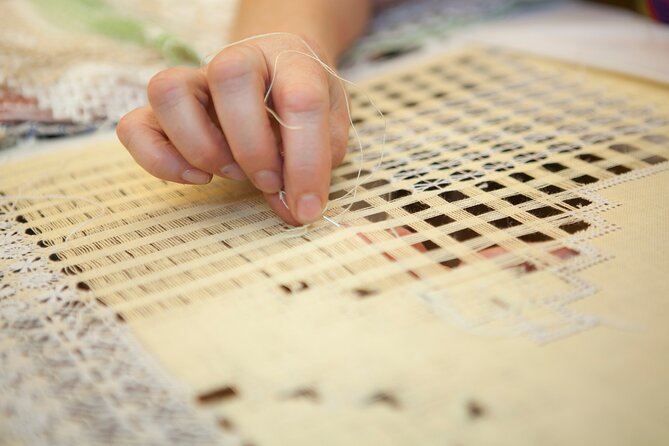
- A crafts shop with Canarian-made items, including embroidered pieces you might want to take home
- Small group feel, with a maximum of 15 travelers per time slot
Stepping into La Orotava’s balcony house, without a big time commitment
Casa de Los Balcones sits in the historic town of La Orotava, and it feels like it is trying to do two jobs at once: preserve a traditional home and also introduce you to Canarian life through rooms, objects, and costume-style details. The best part is that it does not ask for a long afternoon. Your visit is typically 15 minutes to 1 hour depending on how slowly you read and look.
You can also see the practical upside right away. The entrance ticket is low-cost for what you get, and the museum includes the tools that make self-guided visits actually work, like the free audioguide.
If you enjoy short, specific stops where the building itself is the main attraction, this fits. If you want a huge museum with lots of rooms and deep interpretation at every turn, you may feel the stop is modest. I would call it a compact, friendly introduction.
More museums in Tenerife:
- Tenerife: Wine Museum Ticket with Local Wines & Food Tasting
★ 4.5 · 393 reviews - Museum of Illusions Tenerife Entrance Ticket
★ 5.0 · 139 reviews - Tenerife: MUNA Museum Admission Ticket and Teide Legend Tour
★ 4.6 · 10 reviews
Tickets and timing: the day-of flow that keeps it simple
Your meeting point is Casa de Los Balcones, C. San Francisco, 3, 38300 La Orotava, Santa Cruz de Tenerife, Spain. The activity ends back there, so you are not dealing with a pickup window or a separate drop-off.
On timing, the museum is open 10:00 am to 6:00 pm, and the last visit starts half an hour before closing. This matters because if you show up late, you can lose your entry even if the building is still open. I like to aim for earlier rather than later, especially if you want time to read slowly and not rush the stair climb.
Entry is designed for mobile ease. Show your mobile phone reservation at the ticket point. The guidance also notes you should bring a printed voucher or show your smartphone, so I would not rely on last-minute battery luck.
Good to know:
- The experience is small, with a maximum of 15 travelers.
- It is offered in English.
- The site is near public transportation, so you can combine it with walking around La Orotava if that is your plan.
Getting to the door: what your entry moment feels like
When you arrive, you do the quick ticket check, then you start your visit. There is often a QR code on arrival that helps you navigate a guided-style route, including taking you up to the rooms and through the main parts of the house.
This kind of setup is helpful because it reduces the awkward moment where you stand there wondering what to do first. You can just follow the flow and then slow down where you actually care.
Also, there is a real “local logistics” win here: free parking is included. That is not a small thing in Tenerife towns where street parking can be tight. If you are driving, this ticket makes your day easier before you even step inside.
Upstairs rooms and the spiral staircase reality check
The heart of the experience is the home’s preserved spaces. Your route takes you to the first floor, and that usually involves climbing a windy spiral staircase. The staircase is described as steep and narrow, and there is no mention of handrails, so I think it is worth stating clearly: do not treat it like an elevator-friendly museum.
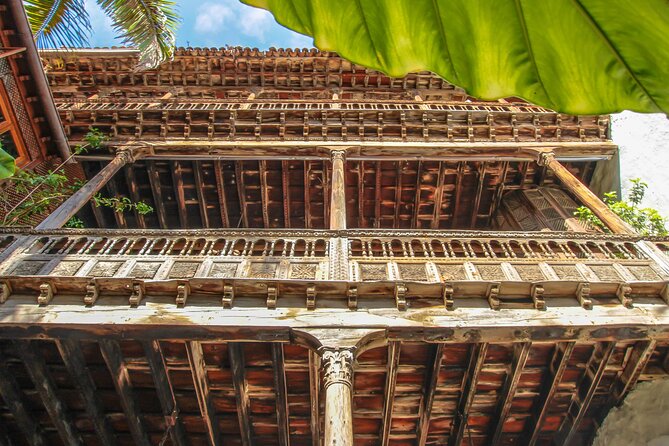
Once you reach the upstairs area, you get rooms dressed for the period, and some pieces are preserved behind glass. This is where you start to understand what the house is trying to show you: traditional domestic life, workmanship in wood, and the feel of a real home rather than a generic display.
What I like here is the sense of “read the details” design. The rooms are not endless, so you have a better chance to notice the construction and decor that make Canarian homes feel distinct. If you enjoy looking closely at everyday objects and craftsmanship, you will likely get more out of the upstairs segment.
If you do not love stairs, your strategy is simple:
- Take your time on the way up, pause if needed.
- Plan to spend less time on looking upward and more time at the balcony or window viewpoints once you are up there.
A few more Tenerife days worth comparing
- Siam Park Entry Tickets
★ 4.5 · 15,710 reviews - Tenerife: Loro Parque Entry Ticket
★ 4.8 · 12,411 reviews - Loro Parque and Siam Park Combined Admission Tickets
★ 4.7 · 7,307 reviews - Tenerife: Mount Teide Tour with Cable Car Ticket & Transfer
★ 4.3 · 5,094 reviews
The courtyard with avocado trees, plants, and a breather
After the upstairs area, your route continues down to the outdoor part of the property, where you find a courtyard. This space is a big part of why the visit feels more atmospheric than a typical quick-house stop.
The courtyard includes avocado trees and other exotic plants, so even if you arrived hot and tired, this is a cooling, calmer pocket. It also gives your eyes a rest from indoor displays and helps the visit feel like an actual home with a living outdoors space.
There is also practical value here for your visit pacing. If stairs take energy from you, the courtyard gives you a natural reset point. Sit for a minute if you want, and then return your attention to the rooms and viewpoints you care about most.
One downside to be aware of: the route can feel like it moves you fairly quickly from “notable part” to “exit.” Some people finish the visit feeling like they wanted more interior interpretation. So I recommend treating the house as a fast, tactile experience, then deciding if you want to extend your afternoon in town.
Balcony and window photo moments (what to look for)
A big part of the appeal here is the house’s character, including visible vantage points. You can find photo opportunities from balcony-style viewpoints and also through windows where the building frames the view.
If you are thinking about photos, here are two practical tips:
- Bring your phone camera mode that works in indoor light, because upstairs lighting can be mixed.
- Do a quick scan for angles right after you reach the upstairs level, so you do not lose the best light while you are reading every label.
If you like souvenir photos that feel tied to the place, this is one of the easier parts of the visit to enjoy. The building style gives you a natural “background,” so you do not have to invent a scene.
The audioguide and how to use it without getting annoyed
The ticket includes a free audioguide, and the experience is offered in English. You may also find that you can access it in a QR-code-based way or via your own device.
I will be honest: audio quality and accent can make or break short museum listening. One common complaint you might run into is that the English accent can be hard to listen to for long stretches. The good news is that your stop is not long. Even if the audio is not your favorite, you can still get value by listening only for the parts you care about most and then reading what you see.
My best method for a compact house-museum:
- Use the audioguide for one or two rooms that interest you most.
- Turn it down or skip it in areas where labels seem limited.
- Let the building do the talking.
That way you keep the experience enjoyable instead of turning it into a chore.
Crafts shop, typical Canarian clothing, and what’s worth buying
No visit to Casa de Los Balcones is only about rooms. There is a typical Canarian crafts shop on site, and the experience also mentions the chance to try on typical Canarian clothes for a souvenir photo.
This is where opinions can split. The shop is part of the museum’s model, and you will likely see plenty of tourist items. That said, there is also real value if you care about authentic craftsmanship. Some of the most positive moments people describe focus on Canarian-made pieces, including embroidery that highlights skilled workmanship.
If you want to buy something that feels tied to the region, look for:
- Handcrafted textiles and embroidered items
- Work that shows consistent detail and finishing (instead of generic mass-produced souvenirs)
And one behavioral tip, especially if you care about shopping comfort: if you feel singled out in the shop or watched too closely, trust your gut and step back. You do not need to force yourself into a purchase to justify the visit.
Accessibility and practical comfort inside the house
This house-museum is accessible in all areas except the second floor. For people with reduced mobility, access is possible to the interior patio and the first floor.
That said, the experience still includes the main stair challenge. Even if you can reach the accessible areas, the overall route and transitions inside a historic building can feel tight and stair-dependent. If you have mobility limitations, I suggest you plan to focus on the areas you know you can comfortably enter and enjoy, and not feel pressured to “push through” on the staircase.
One more note on comfort: smoking is not allowed inside the houses, with an exception noted for the terrace of the Gastrolercaro restaurant. If you are visiting for a short timed window, you can plan a quick break there if needed.
How much value you get for the price
The ticket price is listed as $7.23 per person, and in return you get admission, a free audioguide, the ability to explore at your own pace, access to the house’s key indoor spaces and courtyard, and the on-site craft shop experience.
I think the value works best if you treat it like a “short culture injection.” You are paying for the building, the preserved rooms, the courtyard setting, and the local craft context. With the low price point and free audio, the museum is not trying to be a full-day, multi-ticket attraction.
The risk is expectation mismatch. If you expect a large, multi-room museum with lots of interpretation, you might feel underwhelmed. If you want a compact stop that gives you photos, atmosphere, and a taste of Canarian domestic history, it tends to land well.
Also helpful for value-seekers: there is a mention that you can visit all three houses with an official guide if you book in advance through the official website contact form. That can turn this into a bigger itinerary when you have more time and want guided context.
Who should book this ticket (and who might skip it)
Book this if:
- You like historic homes and want a quick, self-paced visit
- You value free audio and the ability to set your own pace
- You want an easy stop in La Orotava that fits between walks
- You enjoy crafts and might want to buy something locally made
Consider skipping or changing your plan if:
- You need barrier-free access to upstairs areas and do not feel comfortable with stairs
- You get impatient with short museum routes that can feel like a quick circuit
- You dislike shopping-focused additions and prefer pure exhibit time
Should you book Casa de Los Balcones?
If you will be in La Orotava and you want a short, practical cultural stop, I think this ticket is worth booking. The low cost, free audioguide, and on-site courtyard setting make it a smart use of time.
Just go in with the right mindset: it is compact, the stairs are real, and the shop experience is part of the package. If that sounds fair to you, you will likely enjoy a tidy visit that feels very Canarian in feel and in details.
FAQ
How do I enter with a mobile ticket?
You show your ticket on your mobile phone at the ticket point. The info also notes that you should take a printed voucher or show your smartphone with the reservation to access the museum house.
What are the opening hours and last entry time?
The house-museum is open 10:00 am to 6:00 pm. The last visit starts half an hour before closing.
How long should I plan for the visit?
The visit is approximate 15 minutes to 1 hour. Admission includes time to explore the house at your own pace.
Is the audioguide included, and is it in English?
Yes. A free audioguide is included, and the experience is offered in English.
Is this house accessible for people with reduced mobility?
All areas are accessible except the second floor. People with reduced mobility can access the interior patio and the first floor.
Is there free parking nearby?
Yes. Free parking is included as part of the experience.
Recently reviewed around Tenerife
- Tenerife: Photography Sessions – Families, Couples, Friends★ 5.0 · 26 reviews
- 3h Whale Watching Private tour Beneteau Oceanis 440★ 5.0 · 3 reviews
- Vuelo Parapente Tenerife Teide (2200 metros)★ 3.0 · 29 reviews
- Beginner Scuba Dive with Scubapoint Tenerife in Turtle Area★ 4.7 · 8 reviews
- Tenerife: 2 Diving Sessions for Certified Divers★ 4.2 · 7 reviews
- Tenerife Wine: Guided Tour & Tasting with Canarian bites★ 4.9 · 42 reviews
- sunset stand up paddle★ 5.0 · 29 reviews
- Quad tour (option : Teide morning or Sunset tour)★ 4.5 · 26 reviews
Museums, compared.
Wine Museum Ticket with Local Wines & Food Tasting
Read our review →