Reviewed · WHALE & DOLPHIN WATCHING
Costa Adeje: Whale Watching Eco Experience with Hydrophone.
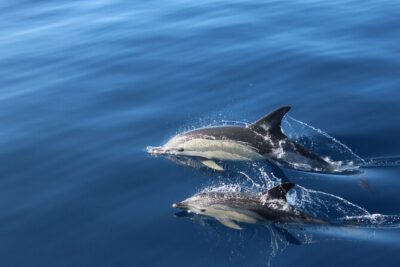
What makes this Costa Adeje whale watching trip interesting is that you are not just looking for whales and dolphins, you are listening with a hydrophone in Europe’s only whale sanctuary. I love that the crew turns engines off during sightings, so you get wildlife behavior and not just boat noise.
The experience runs on a small boat, Papacho 2, with a biologist on board and drinks included. That small setup helps you stay focused on what matters out on the water, not on a crowded deck.
One possible drawback: it is a 2.5-hour outing, so you need to be okay with waiting for the right moments at sea. If weather or sea conditions are rough, your comfort may be the limiting factor, not the effort from the crew. weather matters here.
Quick take: what makes this hydrophone whale trip worth your time
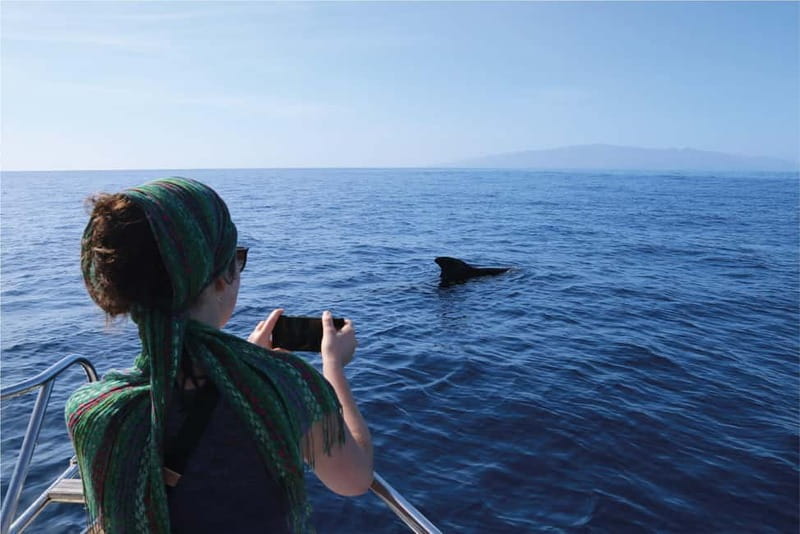
- Hydrophone listening to hear whale and dolphin communication and hunting sounds
- Motors off at sightings to reduce disturbance while you observe
- Europe’s only whale sanctuary in Costa Adeje, Tenerife
- Small group on Papacho 2 with a biologist and a max of 10 passengers
- Conservation work onboard and beyond including participation in rescue efforts
- Pilot whale research support through local photo-identification projects
Europe’s only whale sanctuary in Costa Adeje, and why it changes the feel
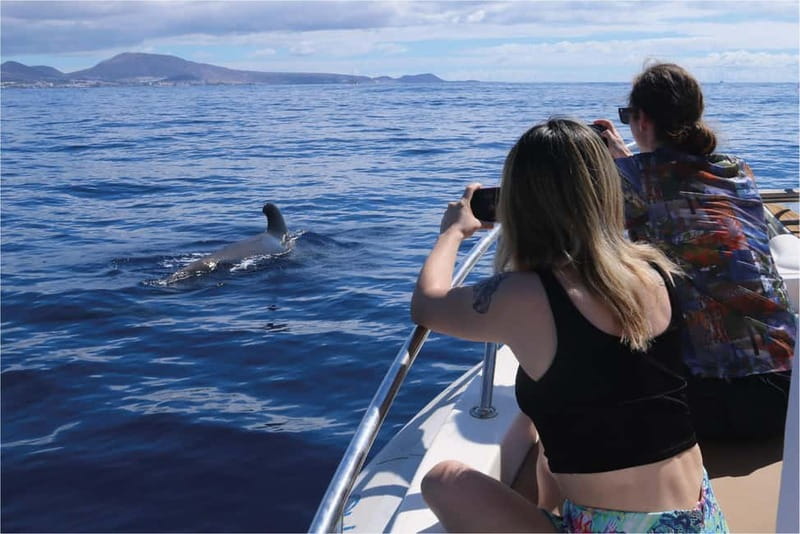
Costa Adeje sits on Tenerife’s south coast, and this tour operates in a protected area that is often described as the only whale sanctuary in Europe. That matters because you are not treating wildlife like a roadside attraction. You are visiting a space where the whole approach is meant to protect animals and their routines.
What I like most about this kind of setting is the pressure it puts on the crew to do things the careful way. When you hear that the boat engines will be turned off during sightings, it signals a practical priority: quiet for the animals, clearer sound for you.
You are also not limited to visual spotting. With the hydrophone part of the experience, you get to experience cetaceans as sound-makers, not just silhouettes. In real terms, that gives you more ways to connect, even if you are not staring at the surface every second.
More whale and dolphin trips in Tenerife:
- Tenerife: Eco-Yacht Whale and Dolphin Watching and Swimming
★ 4.7 · 15,619 reviews - Los Cristianos Respectful No-Chase Whale and Dolphin Safari
★ 4.6 · 12,782 reviews - Costa Adeje: Whale & Dolphin Eco-Cruise with Snacks & Drinks
★ 4.6 · 5,096 reviews
First minutes on Papacho 2: biologist briefing, small group focus, and drinks
The trip starts when you meet at the designated meeting point and set off at the agreed time on Papacho 2. The boat is designed for a small group, with a maximum capacity of ten passengers, and you get a live guide who is a biologist.
Before you head out, expect a clear onboard explanation of the marine fauna you may encounter and why conservation matters. This is not just trivia. It helps you interpret what you see, and it also sets you up to understand what you are hearing once the hydrophone comes out.
You will also have drinks onboard. That sounds simple, but it helps the whole experience feel more relaxed and less like a rush. With whale watching, calm is a feature, not a bonus.
Language options are English and Spanish, so you can follow the guide’s explanations without translating in your head. That makes it easier to ask questions too, even in a short 2.5-hour window.
The hydrophone moment: turning whale watching into an audio safari
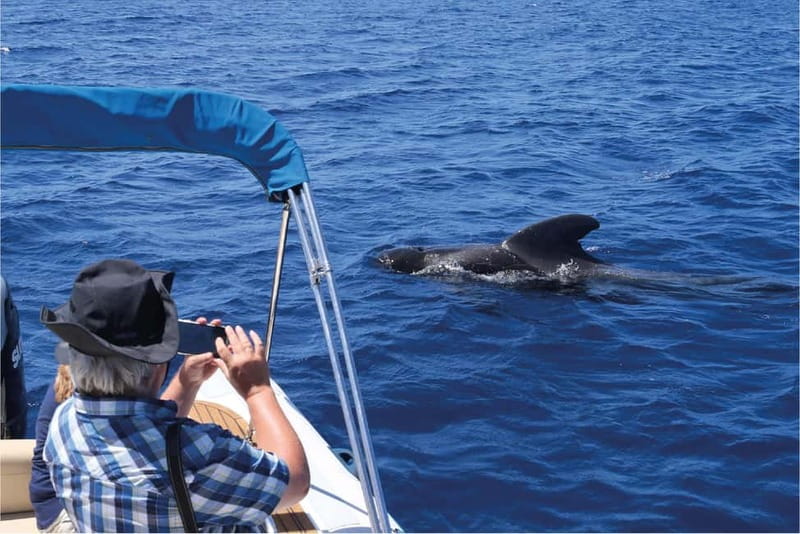
The highlight here is the active cetacean listening. When the crew reaches a sighting, the boat’s engines are completely turned off. Then they launch the hydrophone so you can listen to the sounds animals use for communication or for hunting.
This changes the experience in a big way. With standard whale watching, you often wait for the animal to surface. With hydrophone listening, you can start understanding what is going on in the water even before the next appearance.
A practical way to enjoy this part: give the hydrophone your full attention and keep your voice low. Sound carries differently at sea, and the whole point is to hear natural signals without adding extra noise from the boat or from the group.
If you like science, you will appreciate that this is paired with interpretation from the biologist on board. The guide can help you connect the sounds to behavior, so you are not just hearing random splashes of audio.
And if you are more of a visual person, that is fine. The listening is meant to complement the watching, not replace it. Together, you get a richer picture of how cetaceans move, interact, and hunt.
What you might see in the sanctuary: pilot whales, dolphins, turtles, and seabirds
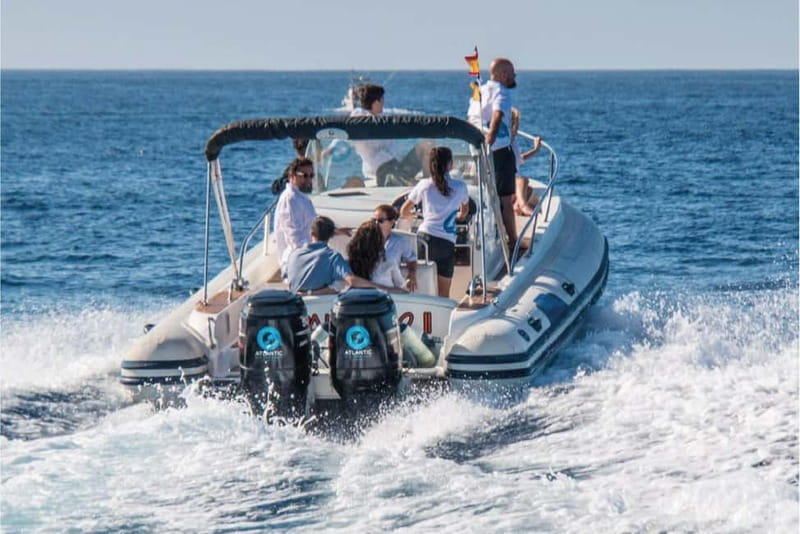
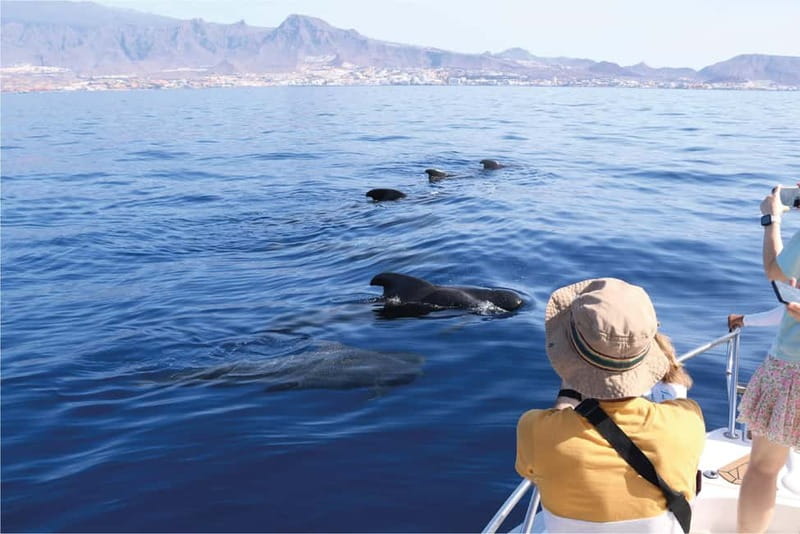
This outing is designed around the chance to approach different groups of cetaceans, along with turtles and seabirds. The key word is approach, with respect. The crew’s stated goal is to interpret together without interfering with natural behavior.
You should know that the tour does not promise one single species guarantee. Instead, it operates in a protected area where cetaceans and other marine wildlife can be present, and the crew responds to what is around.
One species that shows up in the tour’s scientific focus is pilot whales. The team collaborates in a photo-identification catalog of pilot whales in the Canary Islands. That means the activity is not just for tourists, it supports monitoring and better understanding of these animals over time.
So when you are out there, listen for the connection. The hydrophone part helps you hear communication and hunting sounds, and the pilot whale research focus gives you context for why the crew pays attention in the first place.
If you do see pilot whales or dolphins, the experience is built to make those sightings more meaningful. You are not rushing past them. You are spending time with the sighting in a way that includes silence, distance, and careful observation.
Same island, a completely different kind of day:
- Siam Park Entry Tickets
★ 4.5 · 15,710 reviews - Tenerife: Loro Parque Entry Ticket
★ 4.8 · 12,411 reviews - Loro Parque and Siam Park Combined Admission Tickets
★ 4.7 · 7,307 reviews - Tenerife: Kayak and Snorkel with Turtles, Wetsuits Included
★ 4.6 · 7,215 reviews
How sustainability actually affects your time on the water
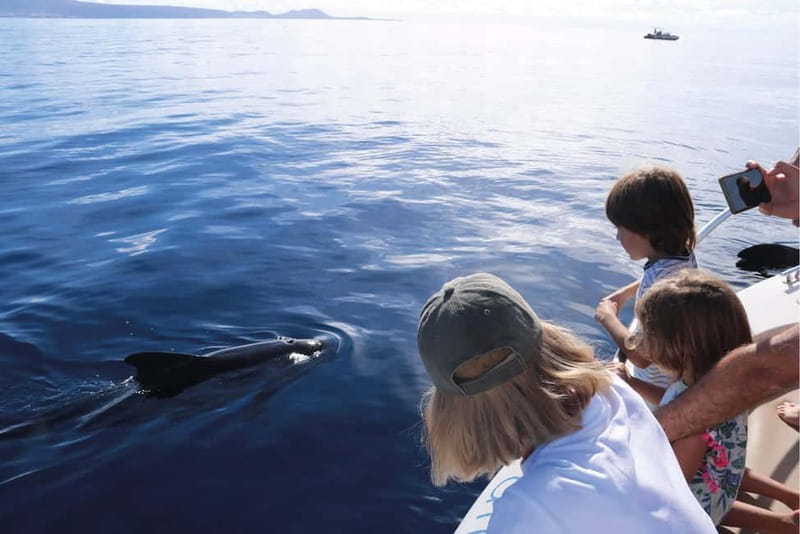
A lot of tours say they care about the ocean. This one tries to back that up with specific behavior during the trip and stated conservation involvement beyond the boat.
During the tour, the approach is described as sustainable: safe distance, and motors off during sightings. Those two details are practical. They reduce disturbance and give you a better chance to hear natural sounds through the hydrophone.
The company also is a member of ACEST, the Association of Companies for the Sustainability of Tourism. You might not see an NGO sign on the boat, but membership can be a signal of standards they agree to follow.
Then there is the rescue piece. The team participates in the rescue of injured animals in their natural habitat, and they also describe engagement in rescue and rehabilitation so animals can recover and be reintegrated into the ecosystem.
That matters for you because it changes the mindset. The trip is not just about spotting. It is about responsibility in the same waters where the animals live.
Safe distance and respectful observation, not a thrill ride
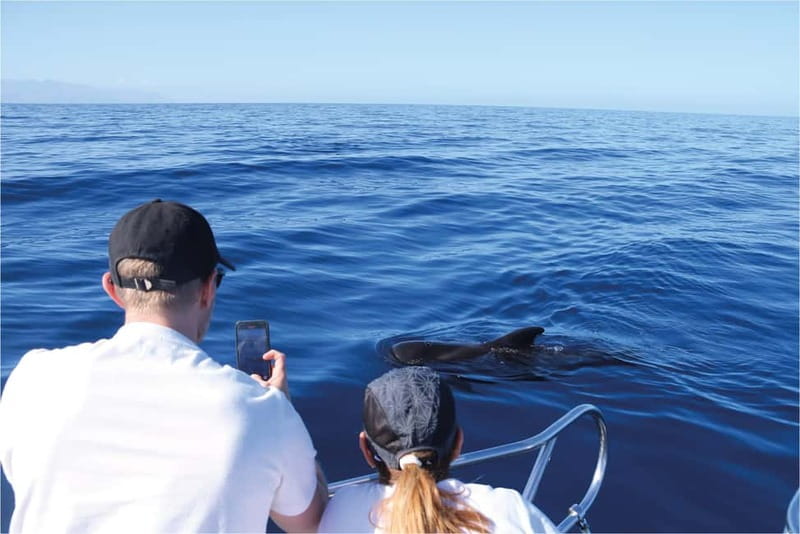
This is a small-crew experience, and that helps you feel how the crew thinks. With only up to ten passengers, you typically do not get that chaotic crowd energy that can make it hard to stay calm and still while wildlife is nearby.
The tour description emphasizes approaching different groups of cetaceans, turtles, and seabirds while respecting their space and not interfering with natural behavior. Practically, that means you should expect controlled movement and patience. It can feel slower than big boat tours, but that is exactly the point.
When the engines turn off, you will notice the sound shift right away. That quiet is not only good for the animals, it makes the hydrophone session more clear too. You are essentially stepping into the animals’ world for a short stretch of time.
One more detail I appreciate: the guide and crew interpret together with you. That helps you avoid the common feeling of seeing a whale and not knowing what you are actually watching.
Small-group comfort on a 2.5-hour outing: what to expect onboard
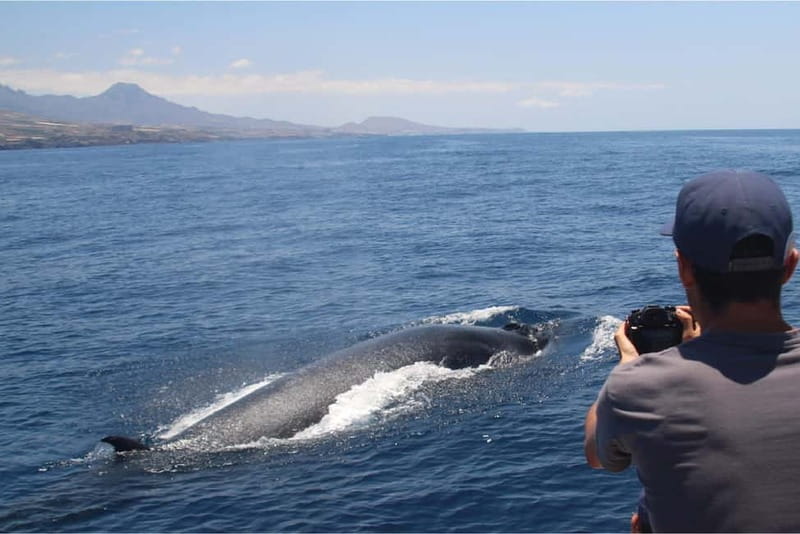
This is a 2.5-hour tour, so it fits well into a day that already includes beach time in Costa Adeje. The total length also helps families, especially families with small kids. Shorter time on the water and clear guidance make it easier to keep everyone engaged.
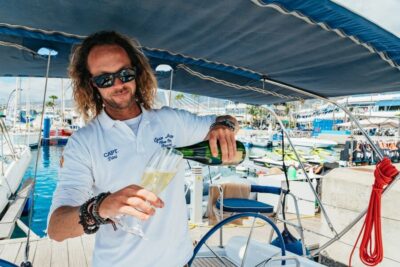
On Papacho 2, you will find a small-group vibe and time with the biologist rather than time fighting for a view. Drinks are included, which takes some pressure off what you bring or buy.
What I would personally plan around is sun and glare. The tour asks you to bring sunglasses, sun hat, and sunscreen. Do not underestimate Tenerife sun, especially when you are out at sea where light bounces off the water.
If you are prone to motion sickness, consider bringing what works for you. The data does not mention medical support onboard, and you will be on a boat for the full 2.5 hours.
Value in plain terms: why this tends to feel worth it
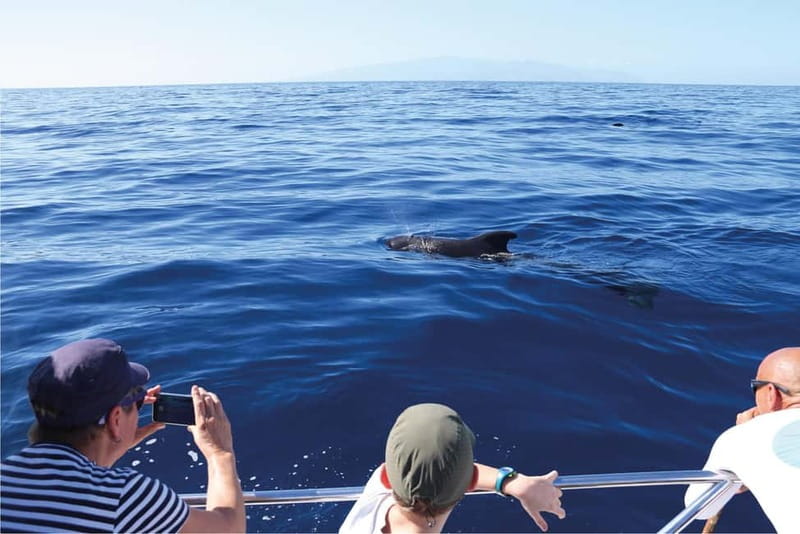
I do not have your exact price here, so I cannot do a dollar-by-dollar comparison. But I can still talk about value based on what is included.
You get a small group capped at ten, a biologist guide, drinks onboard, and a hydrophone with engines off during sightings. You also get education that ties the listening and observation together, instead of sending you out with no context.
There is also value in the conservation involvement they describe: rescue participation and collaboration on pilot whale photo-identification. Even if you never directly see research happening, it signals that the company is investing in long-term understanding and not just single-day entertainment.
Compared with large boats that are loud, crowded, and visually focused only, this format is the kind of experience where the quality comes from behavior. Quiet engines, safe distance, hydrophone listening, and a guide who explains what you are seeing and hearing.
Who should book this Costa Adeje hydrophone experience, and who might not
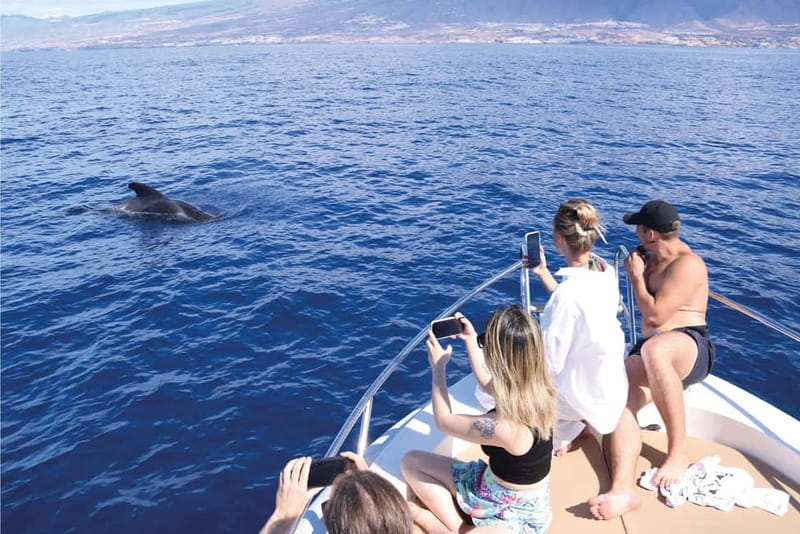
This is a strong fit if you:
- Want a whale watching trip that includes hydrophone listening, not just surface spotting
- Prefer a small group and a more personal guide experience
- Like wildlife interpretation and conservation-focused travel
- Are traveling with kids who can handle a short boat outing and want guided attention
You might want to think twice if you are only interested in fast, constant action. Since the engines are turned off during sightings, and the crew respects distance, the pace can depend on animal behavior. You will likely be patient, and you will get your reward when the animals are ready.
If you are traveling with someone who hates waiting for wildlife, bring patience or choose a different style of tour. This one is about respectful presence, not speed.
Should you book it? My straight call
If you want whale and dolphin watching that treats the ocean like a shared habitat, this is an easy yes. The combination of motors off, hydrophone listening, and a biologist-guided approach gives you more than one way to connect with marine life.
I would book it when you have a half day and clear priorities: learn something real, listen for animal communication, and enjoy a calmer small-boat format. It is especially appealing in Costa Adeje because the sanctuary-based setting helps justify why the crew can be strict about distance and quiet.
If you are mainly chasing a guaranteed spectacle, be a bit flexible. Wildlife is not a schedule item. But this tour is clearly designed to make the most of whatever cetaceans and marine life appear, and that is the kind of planning that usually pays off.
FAQ
How long is the whale watching tour?
The tour lasts 2.5 hours.
Where does the experience take place?
It takes place on the south coast of Tenerife in Costa Adeje, within Europe’s only whale sanctuary.
How many people are on the boat?
The boat has a maximum capacity of ten passengers, so it stays small group.
What makes the hydrophone part different?
During sightings, the boat’s engines are completely turned off, and the hydrophone is launched so you can listen to the sounds whales and dolphins use for communication or for hunting.
What wildlife can be encountered during the trip?
You may encounter cetaceans, turtles, and seabirds, with the crew always respecting animal space and natural behavior.
What languages are available for the live tour guide?
The tour guide offers live narration in English and Spanish.
Is the trip flexible if plans change?
Yes. There is free cancellation up to 24 hours in advance for a full refund, and you can reserve now and pay later.
Recently reviewed around Tenerife
- Shibari on the Beach★ 5.0 · 13 reviews
- Self Guided Scavenger Hunt – Costa Adeje★ 4.5 · 30 reviews
- Whale and dolphin watching tour Los Gigantes and Masca in small groups★ 5.0 · 30 reviews
- Sealife Dolphin & Whale Watching aboard Portuguese schooner★ 4.0 · 7 reviews
- Private boat tour★ 5.0 · 6 reviews
- Tenerife Under The Sea – dive into 1-1 personalised experience★ 5.0 · 15 reviews
- Scuba Night Dive on Tenerife★ 5.0 · 6 reviews
- Fishing trip, Tenerife Sea Passion★ 4.5 · 68 reviews
Whale & Dolphin Watching, compared.
Eco-Yacht Whale and Dolphin Watching and Swimming
Read our review →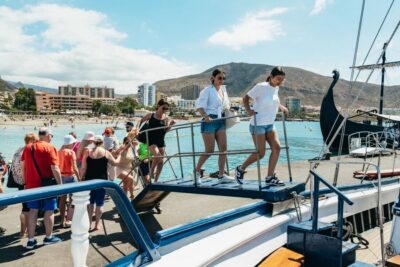
Los Cristianos Respectful No-Chase Whale and Dolphin Safari
Read our review →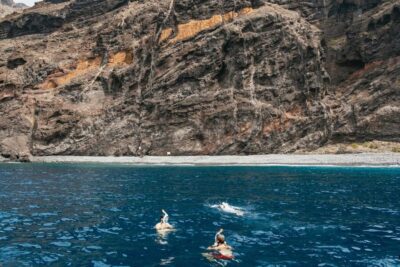
Whale & Dolphin Eco-Cruise with Snacks & Drinks
Read our review →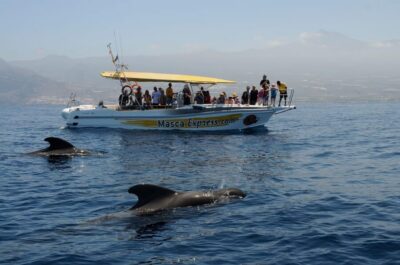
Dolphin & Whale Watching Cruise with Swim Stop
Read our review →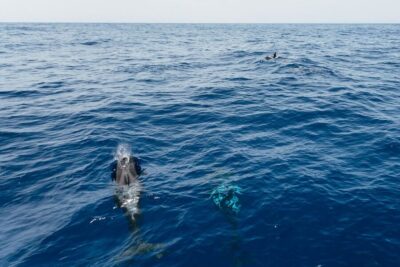
Whale & Dolphin Watching with Drinks and Snacks
Read our review →
Whale and Dolphin Watching Catamaran with Transfer and Buffet
Read our review →