
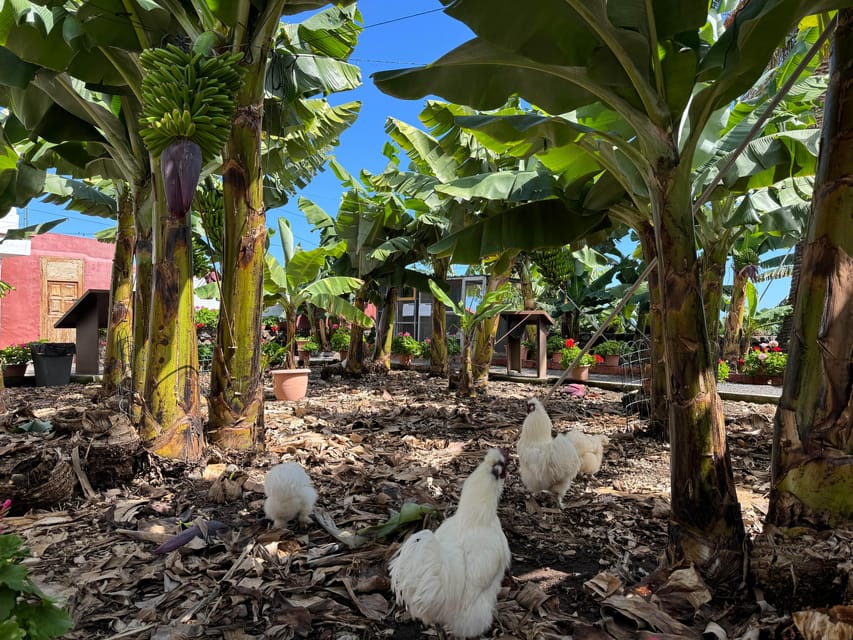
Reviewed · ALL TENERIFE
Icod de los Vinos: Casa del Plátano Entry Ticket
This experience is interesting because it turns a simple fruit into a full Tenerife story, starting in a historic house and ending in the fields where bananas actually grow. I like that the visit is self-guided, so you can slow down for reading and photos without feeling rushed.
I also like that you get both the educational side and the practical side, including a real plantation walk and a Canarian banana to taste. The only drawback to plan around is language, since the explanation panels are in English and Spanish, so French-only visitors may feel a gap.
Key highlights at a glance
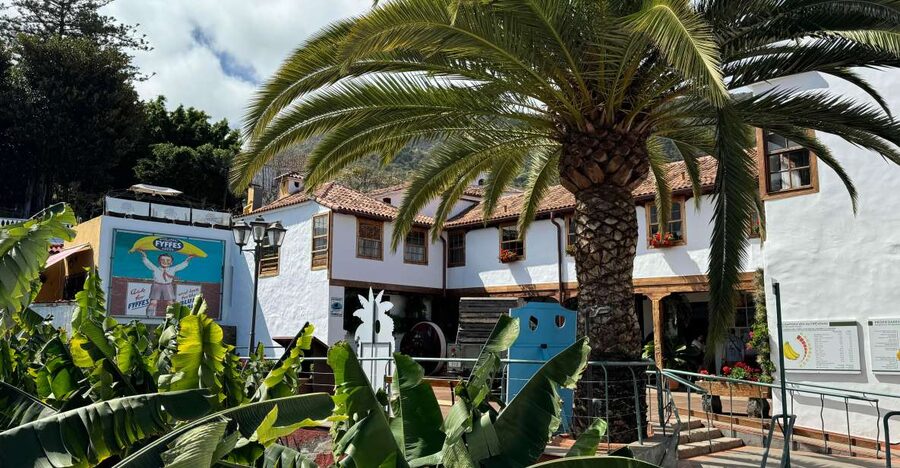
- Historic hacienda setting in Icod de los Vinos, with architecture you can actually look at up close
- Self-guided visit with explanation panels in English and Spanish
- Authentic banana plantation tour, including banana growth and ripening stages
- Multiple banana varieties, with clear visual cues on what changes as fruit matures
- One Canarian banana included plus the chance to buy more banana products at the shop
- Family friendly, with enough hands-on viewing that kids tend to stay interested
Casa del Plátano in Icod de los Vinos: a banana story you can walk through
If you are the type of traveler who likes places where you can see the real thing, Casa del Plátano is a smart stop in Tenerife. Instead of just saying bananas are important, it shows you how they fit into the island’s past and how they grow today.
The experience is built around a simple flow: you start at Casa del Plátano, then you move on to the plantation area. Along the way, you are guided by panels in English and Spanish, not by a strict group schedule. That makes it easy to mix with other Icod de los Vinos plans.
The setting also helps. You are in an old hacienda in an iconic village, so it feels like history you can walk around, not just a room of displays. And at the end, you get a banana to eat, so the learning sticks.
A few more Tenerife days worth comparing
- Siam Park Entry Tickets
★ 4.5 · 15,710 reviews - Tenerife: Loro Parque Entry Ticket
★ 4.8 · 12,411 reviews - Loro Parque and Siam Park Combined Admission Tickets
★ 4.7 · 7,307 reviews
Your self-guided route: house first, plantation next
Because this is self-guided, you control your pace. You can read panels carefully, linger at the architecture, and then go to the plantation part when you feel ready. That flexibility is a real value, especially if you are traveling with kids or you do not love being herded on tight timelines.
Start in Casa del Plátano, the historic house that sets the tone. Here you will find the background: the history of bananas in Tenerife and why this crop matters on the Canary Islands. The old-hacienda setting makes the story feel grounded, like you are learning from a place that was built for work and production.
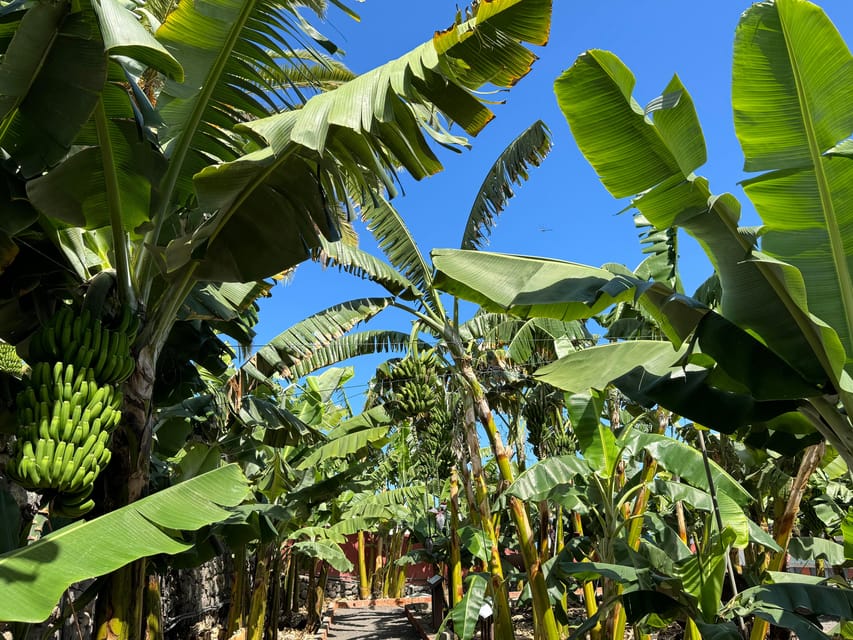
Then you move into the plantation tour. This is where the visit becomes more visual. You can spot how banana plants look, understand the growth process, and see fruit development across stages. The whole thing is designed to be practical, like a small museum where you can also look directly at the living plants.
One small thing to keep in mind: since there is no mention of a guided group language option beyond the English and Spanish panels, your enjoyment will depend on how comfortable you are with those languages. If French is your main language, you may find the explanations limited.
What you learn from the banana-history panels
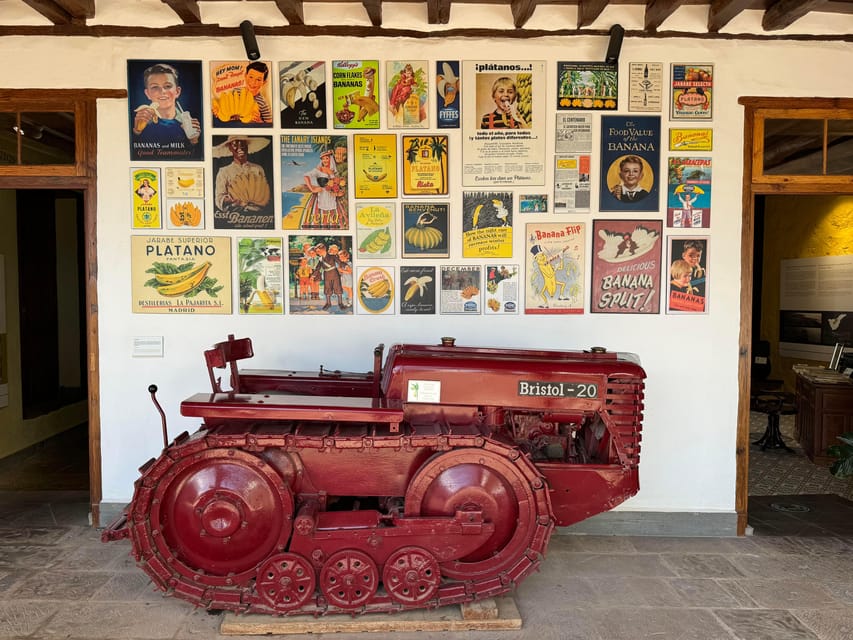
The panels are the heart of the self-guided experience. They focus on the fundamentals: the main crop of the Canary Islands, what bananas are, and how their history shaped Tenerife. If you want a clear story arc without needing a tour guide at your elbow, these panels do the job.
You will also learn about the characteristics of bananas and their history in Tenerife. That matters because bananas can feel like a generic supermarket fruit, but the island story makes them specific. You start to connect the fruit to local agriculture, land use, and the people who depend on cultivation.
The most useful part for me is how the information stays connected to what you see. It does not feel like random facts pasted on walls. You read, then you walk out and look at plants that match what you just learned.
Banana growth and ripening stages: what to look for on the plantation walk
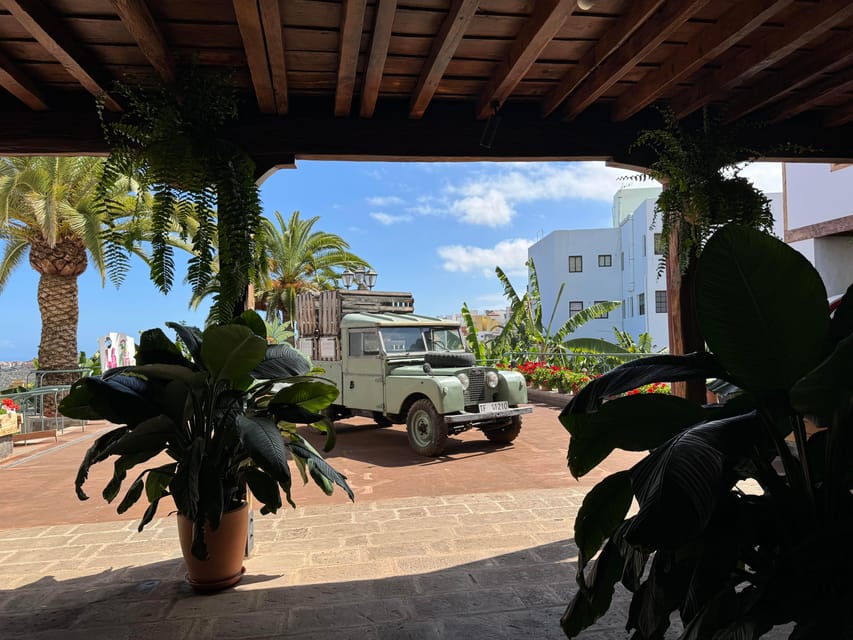
The plantation portion is where the visit earns its rating. You get to see bananas growing and understand the process of formation and maturation. One review highlighted the process from formation to ripening as especially interesting, and you can expect a similar focus during your walk.
As you move through the plantation area, pay attention to the differences between plants and fruit at various points in development. The experience is set up as a place to observe stages, so you will get more from it if you slow down and look carefully rather than rushing for photos.
It also helps that you may see different varieties of bananas. That is valuable because it gives you a bigger picture than the single type most people know. If you like food history and real-world agriculture, this is the part that turns banana trivia into something tangible.
You also learn through the walk, not through long lectures. Even in a short visit, you can walk away with a clearer mental model of how cultivation and ripening work on the island.
Same island, a completely different kind of day:
- Tenerife: Eco-Yacht Whale and Dolphin Watching and Swimming
★ 4.7 · 15,619 reviews - Los Cristianos Respectful No-Chase Whale and Dolphin Safari
★ 4.6 · 12,782 reviews - Tenerife: Kayak and Snorkel with Turtles, Wetsuits Included
★ 4.6 · 7,215 reviews - Costa Adeje: Whale & Dolphin Eco-Cruise with Snacks & Drinks
★ 4.6 · 5,096 reviews
Casa del Plátano architecture: why the building is part of the experience
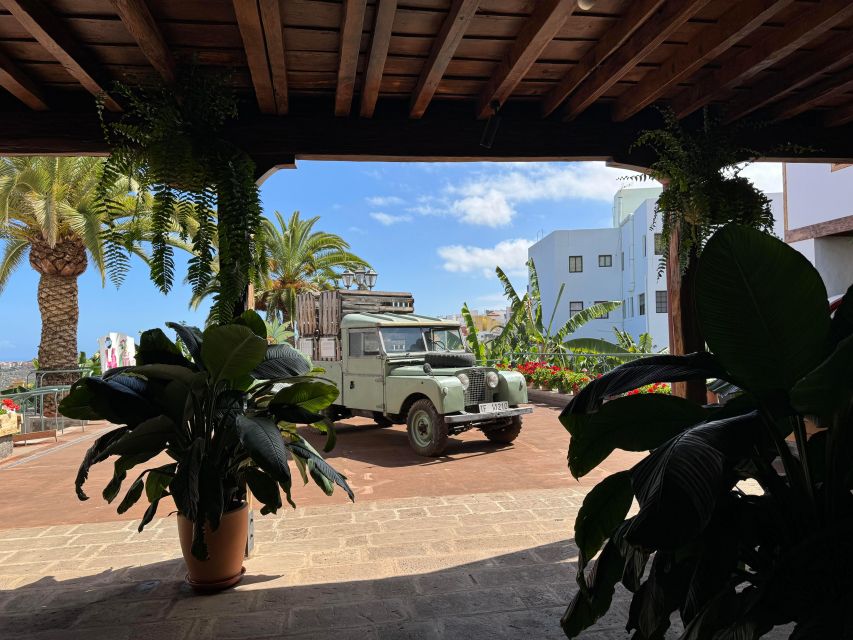
The house is not just a ticket booth and waiting room. Casa del Plátano is a historic hacienda, and the architecture is part of the charm. In a visit focused on cultivation, it makes sense to experience the setting where agricultural life and production connected with daily functions.
You get a chance to admire the historic house as you move from one section to the next. That visual connection makes the story feel more real. It is one thing to read about farming. It is another to stand in a place shaped by that work.
This also makes the visit easier for families. Kids often struggle with purely informational stops. Here, the building and the grounds offer something to look at while adults read and learn.
The shop, the included banana, and how to think about spending
The entry ticket includes two key things: entry to Casa del Plátano and a Canarian banana. That banana inclusion is a small cost saver and it adds a fun finish. One review specifically noted they were given a banana to eat, which is exactly the kind of simple extra that turns a “nice visit” into a “I actually left with something.”
After the plantation walk, you will likely head to the shop. You can purchase local gourmet products made with bananas from the Canary Islands. Just know purchases are not included in the ticket price, so treat the shop as optional.
How I would think about it: if you want the learning, you do not need to spend extra. If you want souvenirs that taste like the place, the shop is the easiest way to do it without guessing. Buy what you will actually eat, not what looks good on a shelf.
Price and value: what $5 buys you in Tenerife
At about $5 per person, the entry ticket is easy to justify. You are not paying for a long guided experience. You are paying for access to a historic hacienda, panels in two languages, a plantation visit, and a banana to taste.
The included banana matters more than it sounds. It turns the ticket into a direct food experience, not just a learning stop. And the plantation walk gives you something you cannot easily recreate on your own in the same structured way.
If you are keeping a tight travel budget, this is one of those prices where you can say yes without stress. It can also be a good add-on when your main plans are still flexible, because self-guided visits are easier to slot in.
Timing and practical tips for a smooth visit
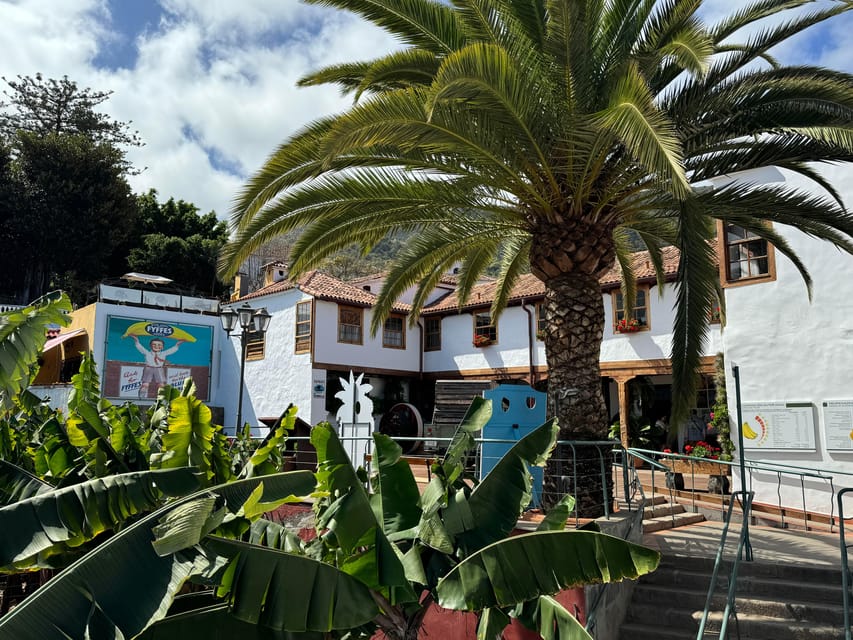
This is valid for one day, and it runs on starting times based on availability. You also need to plan around the last entry, which is 18H30. Build in a buffer so you are not rushing at the end.
Because it is self-guided, I recommend you pick a pace. If you like reading, spend a bit more time at the house sections first so you understand what you are looking at later in the plantation. If you prefer visuals, you can skim the panels and slow down only when something catches your eye.
Also, check that your language expectations match the reality. The panels are in English and Spanish, and one review specifically pointed out there are no French explanations. If you need French, you might want to plan a quick translation strategy on your phone or be ready to rely on observation more than reading.
Finally, wear shoes you feel good walking in. Plantation areas can be a bit uneven, and the whole value of the visit depends on being able to move around comfortably.
Who should book Casa del Plátano, and who might skip it
This ticket is ideal if you:
- want a low-cost stop with strong educational content
- like agriculture and food culture more than generic sightseeing
- enjoy self-guided experiences where you read and move at your own pace
- are traveling as a family and want a place that tends to hold kids’ attention
You might consider skipping or pairing it with another activity if you:
- need French-language explanations and do not want to rely on translation
- dislike reading panels and prefer guided narration
- are expecting a large multi-hour production with lots of staff-led activities, since this is structured for self-paced exploring
That said, even if you are not a banana superfan, the combination of plantation observation, multiple varieties, and a free banana tasting makes it feel more substantial than the price tag suggests.
Should you book this entry ticket to Casa del Plátano?
Yes, if you are in Tenerife and you want a practical, family-friendly, agriculture-focused visit at a very reasonable price. Casa del Plátano works best when you are curious and you like connecting what you read to what you see. The historic hacienda setting plus the plantation stages give it real structure, even without a live guide.
Book if you have time to take it slow, read at least some of the panels, and actually look at how bananas develop. Skip if your language needs do not match the English and Spanish panels, or if you want a more guided, talk-heavy experience.
If you want one simple verdict: this is a small ticket with a memorable banana payoff.
Recently reviewed around Tenerife
- Shibari on the Beach★ 5.0 · 13 reviews
- Self Guided Scavenger Hunt – Costa Adeje★ 4.5 · 30 reviews
- Whale and dolphin watching tour Los Gigantes and Masca in small groups★ 5.0 · 30 reviews
- Sealife Dolphin & Whale Watching aboard Portuguese schooner★ 4.0 · 7 reviews
- Private boat tour★ 5.0 · 6 reviews
- Tenerife Under The Sea – dive into 1-1 personalised experience★ 5.0 · 15 reviews
- Scuba Night Dive on Tenerife★ 5.0 · 6 reviews
- Fishing trip, Tenerife Sea Passion★ 4.5 · 68 reviews