
Reviewed · ALL TENERIFE
Tenerife: Canary History and Color Potatoes
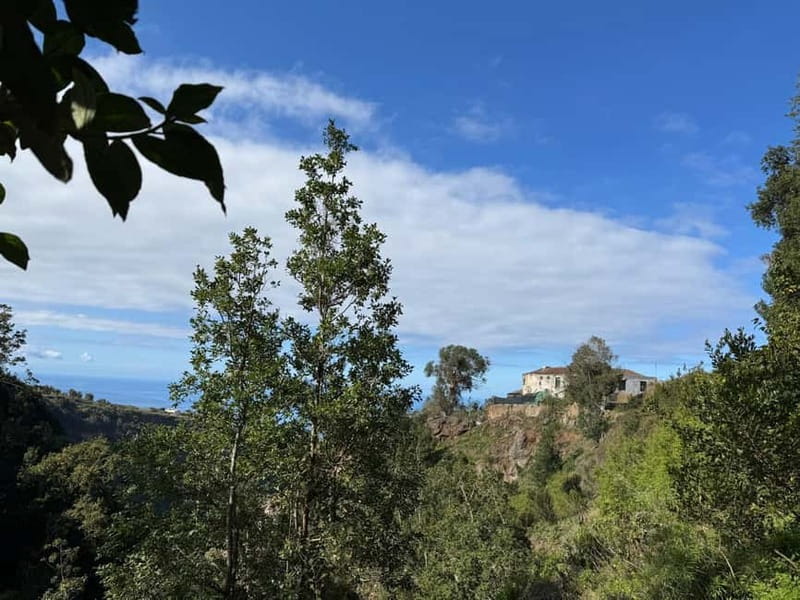
What makes this Tenerife experience especially interesting is the mix of Icod el Alto farm lanes and a very specific local story, the birthplace of the colored Canarian potato. In just 2 hours, you get a walk, a guided explanation of how the islands were shaped, and a food moment built around something most tourists never think to ask about.
I like the way the tour connects history to footsteps. You walk along the Camino Real, the old route people used for moving through the region, and you’re taught what to look for as you go.
I also like the chance for potato tasting, which can include different organic varieties when available. The main drawback is simple: you’ll be on uneven ground for most of the 2 hours, so comfortable shoes are not optional, and the weather can change fast at around 500 meters.
Key highlights worth your attention
- A small-group walk (up to 8 people) that stays relaxed and lets you ask questions.
- Camino Real on foot, with explanations that make the path feel purposeful, not just scenic.
- Colored potato heritage, tied to 29 varieties grown by local families since the 17th century.
- Sustainable farming on display, focused on methods that help protect the environment and support community life.
- Seasonal organic potato tasting, so you might sample multiple types and compare texture and flavor.
Entering Icod el Alto: why this 2-hour tour feels like a real local day
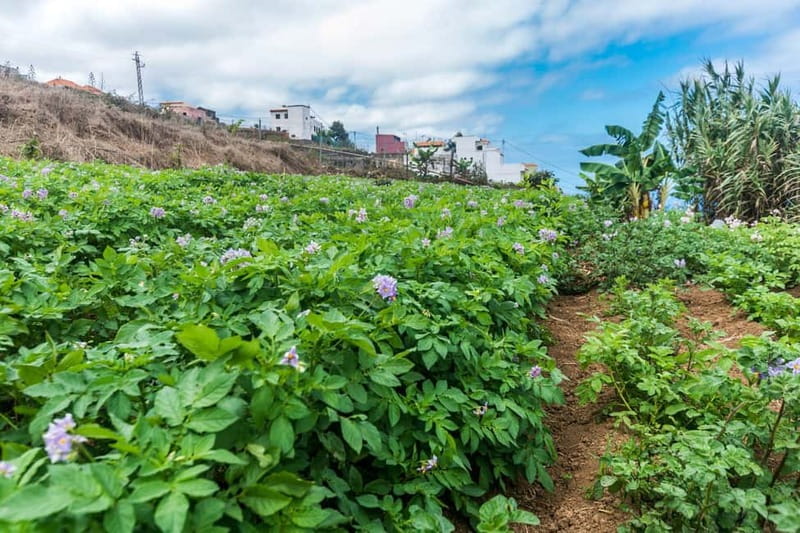
Tenerife can be loud and fast in the tourist zones. This tour gives you the opposite. You’re in the agricultural village area of Icod el Alto (part of Los Realejos), where daily life is tied to land, water, and crops. The best part is that you’re not just watching from the outside. You’re walking a historic route and learning how the islands’ farming traditions shaped what people eat and how they survive.
In that short time, you get a clear story arc. First comes the historic path, then the potato heritage, then the practical side of sustainability. That rhythm matters. It keeps the tour from feeling like a lecture while you’re outside in breezy conditions.
And it’s built for people who like small details. If you enjoy asking questions and noticing how farms work, you’ll get more out of this than if you only want big-ticket sights. You’ll still see plenty of “island scenery,” but the point is understanding it through agriculture.
More history and heritage tours in Tenerife:
- Tenerife: History The Evolution of Music Show Entry Ticket
★ 4.8 · 620 reviews - E-MTB TOUR. Orotava valley + it’s historic villages + local traditions.
★ 5.0 · 27 reviews
Starting at Parroquia de Nuestra Señora del Buen Viaje: where the tour begins
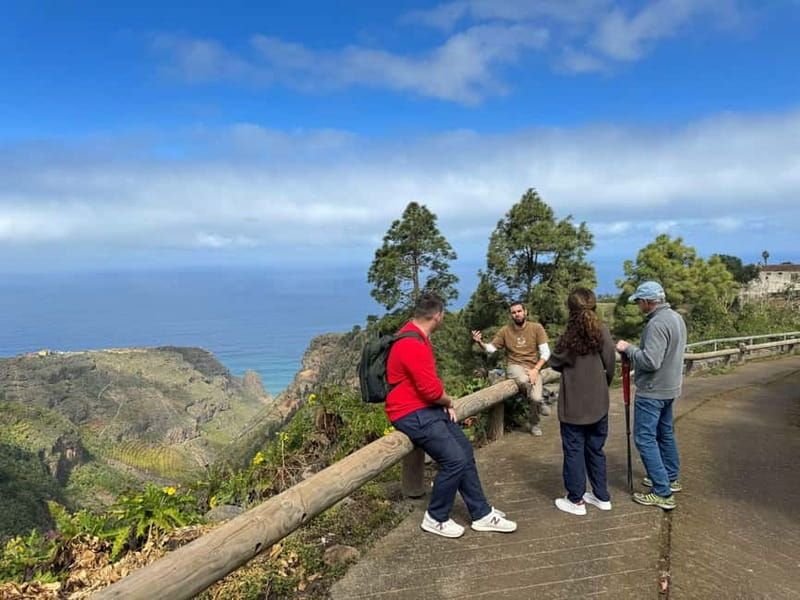
The meeting point is the Parroquia de Nuestra Señora del Buen Viaje in Icod el Alto, specifically under the flags at the church area. The exact street reference is Camino el Dornajo (Calle), Icod el Alto, 38414, Santa Cruz de Tenerife.
Why does a church meeting point matter? It sets the tone. In small villages, you start with a recognizable landmark, so you’re not hunting around for a bus stop vibe. Also, these church areas usually sit right where locals have traditionally gathered. That means the guide can start telling you what the place is, before you head out onto the farm lanes.
You’ll also get a useful early reminder: this is not a sit-down experience. Even though the tour is only 2 hours, you should expect steady walking on uneven ground. So once you start at the church, keep your pace comfortable and let your feet do their job, not your ego.
Walking the Historic Camino Real: the story is in the route
One of the highlights is the walk along the historic Camino Real. This old path is more than a scenic trail. It’s a reminder that Tenerife’s communities were connected by routes people used long before modern roads.
As you walk, your guide focuses on what those routes meant for daily life. You’ll hear about the kinds of events and traditions that influenced the region and how the Camino Real fits into that bigger picture. The best tours do two things at once: they explain and they give you a chance to look around. Here, you’re meant to do both, while the walking keeps the experience active.
Because the group is small, you’re not stuck waiting for someone to catch up while the guide talks. You can ask practical questions, like how the path would have been used historically or why certain areas became key farming zones. If you like tours that answer the “why” behind what you’re seeing, this part usually lands well.
The colored Canarian potato birthplace: 29 varieties and why it matters
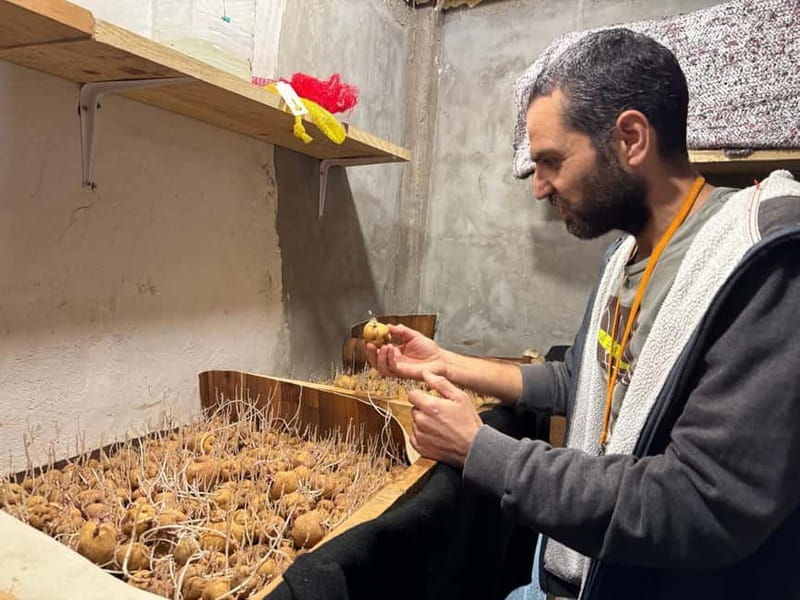
The core of the experience is the potato story. You’ll visit the birthplace of the colored Canarian potato, a place tied to 29 unique varieties cultivated by local families since the 17th century.
This is where you start connecting agriculture with identity. Those colors are not just for novelty. They represent an old system of growing and saving plants that matched local conditions. Over time, farmers learned which varieties did well and how they fit into food habits across the islands.
Your guide explains how these potatoes became part of Canary Island cuisine and agriculture. Even if you’re not a “food-history” person, it helps to hear it with local examples. You begin to understand why people care about keeping certain varieties alive, not just growing whatever sells easiest.
And the best practical detail: you get context before you taste. So when you later sample potatoes, it makes sense why one variety might feel different in texture or flavor from another. You’re not just eating something random. You’re tasting a living catalog of local farming choices.
Same island, a completely different kind of day:
- Siam Park Entry Tickets
★ 4.5 · 15,710 reviews - Tenerife: Eco-Yacht Whale and Dolphin Watching and Swimming
★ 4.7 · 15,619 reviews - Los Cristianos Respectful No-Chase Whale and Dolphin Safari
★ 4.6 · 12,782 reviews - Tenerife: Loro Parque Entry Ticket
★ 4.8 · 12,411 reviews
Sustainable farming practices you can understand without a lecture
After the historic walk and the potato heritage stop, the tour shifts into what farming looks like when it’s meant to last. You’ll learn about sustainable farming practices used by local farmers, and how those methods help preserve the environment while supporting community life.
This part is valuable because it stays grounded. Instead of vague slogans, you’re shown the real “logic” of farming on an island with its own climate limits. Sustainability here is practical: caring for soil and water needs, working with the land, and keeping traditional knowledge working alongside modern reality.
You’ll likely notice that the pace stays calm. That matters because you’re outdoors and moving over uneven ground. You don’t need big speeches when you can learn by watching and asking. Guides also tend to adjust explanations based on what you’re curious about, especially in a small group of up to 8.
If you care about sustainable travel beyond recycling facts, this section connects the dots. It shows how food traditions can be a form of long-term environmental planning.
Potato tasting, seasonal and organic: what to expect and how to enjoy it
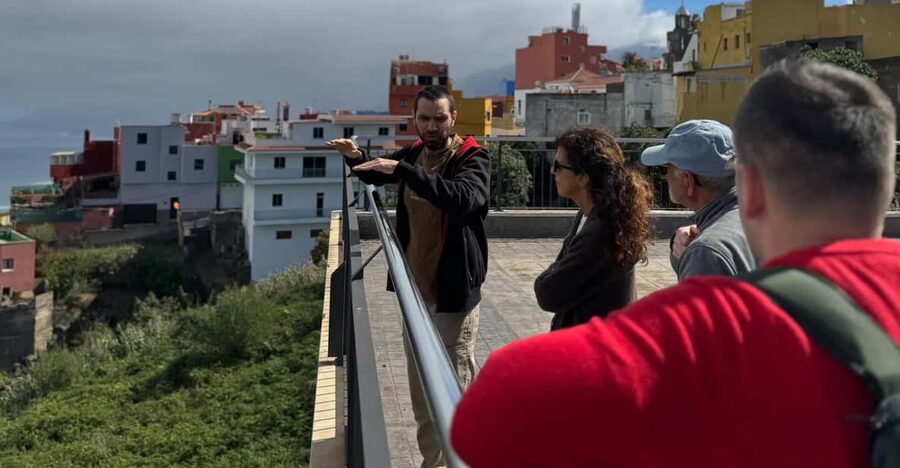
Tasting is the moment that turns learning into memory. Depending on season and availability, you may sample different varieties of organic colored potatoes. The tour doesn’t promise a fixed lineup every time, but the goal is consistent: you get to experience multiple varieties and notice the differences in taste and texture.
How you can make the most of it:
- Take a second before you eat and think about what you learned about variety and purpose.
- Compare mouthfeel and aftertaste. Potatoes can vary in how they hold together and how starchy or creamy they taste.
- Ask the guide what you’re tasting and why that variety is grown locally.
One of the strongest impressions from people who have done it is the guide experience. Sara, for example, has been singled out for clear, patient explanations and for sharing a personal angle on potato cultivation at home. Even if every tasting element isn’t identical from day to day, the teaching style usually helps you actually remember what you tasted.
If you’re the type who likes to go home and plan a meal around what you learned, this is the best part of the tour.
Guides, pacing, and small-group comfort: the difference you feel
This is a small-group tour, limited to 8 participants, and that number shows in the way the experience runs. In a group that size, you’re not swallowed by the crowd. You can hear your guide and keep up with the walk without constantly waiting.
Guides are a big part of the value here. People mention both friendliness and preparation, including Sara’s ability to explain history step-by-step while also offering practical advice for the rest of Tenerife. That combination is rare: some guides are only history talkers, others only cheerleaders. Here, you get both education and real-world suggestions.
Pacing is also adjusted for the outdoor setting. The tour works rain or shine, and it means you’ll stay outside through whatever weather shows up. That’s not everyone’s favorite. But the good news is the group format keeps you moving at a manageable pace.
Price and value at about $29 per person: what you get for the money
At around $29 per person for a 2-hour guided experience, the value comes from three things working together.
First, you’re paying for a guide who connects history, farming, and sustainability into one coherent story. That takes more skill than simply pointing out sights.
Second, you’re paying for the access to a specific heritage topic, the colored Canarian potato birthplace and its 29 varieties. This is niche. Niche tours can be hit-or-miss, but the structure here helps it feel purposeful.
Third, you might get a tasting of organic potato varieties depending on season and availability. Food moments are often what make short tours worth the time. Even if tasting availability varies, the tour still has clear content: the walk, the heritage context, and the farming explanation.
So if you want a low-cost, high-information tour that also includes a chance to taste local food, this price point can feel fair. If you want a long hike, big monuments, or a bus-tour volume experience, you may feel it’s too small-scale for what you’re seeking.
Who this tour fits best, and who should reconsider
This works well for many ages because the tour is designed to be accessible to all ages, but it still requires walking on uneven ground. So the deciding factor is footwear and comfort with outdoor paths, not age alone.
You’ll likely love it if:
- You enjoy history that’s tied to everyday life, not just big dates.
- You like food culture that connects to agriculture.
- You prefer small groups where you can ask questions and actually hear answers.
- You can handle about 2 hours of walking over uneven farm ground.
You should reconsider if:
- Uneven terrain is a problem for you.
- You want a fully seated experience.
- You’re expecting a major scenic landmark stop rather than village agriculture and a historic footpath.
The best way to think about it is this: it’s a walk-through lesson in local identity, with potatoes as the anchor.
Getting there and what to bring for a 500-meter outdoor walk
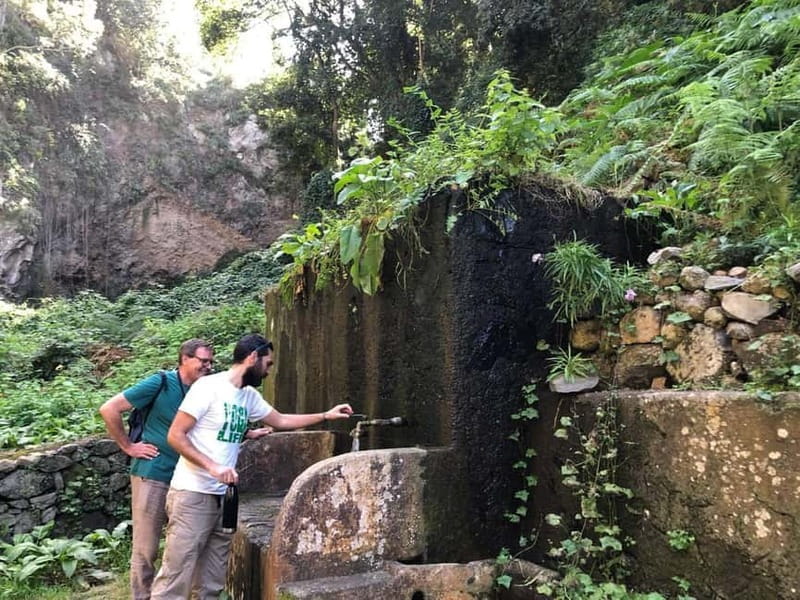
You’ll need a plan to reach Icod el Alto. If you have your own vehicle, that’s straightforward. If not, you can use bus line 354 from Puerto de la Cruz or from Icod de los Vinos.
Once you’re there, pack for outdoors. Even in pleasant weather, you’ll want:
- Comfortable shoes and ideally hiking shoes for uneven ground
- A hat
- Biodegradable sunscreen
- Weather-appropriate clothes
- A jacket, since you’re around 500 meters altitude and conditions can shift
The tour operates rain or shine, but severe weather can lead to rescheduling. That means you should keep your day flexible and dress for real outdoors, not just sunny sightseeing.
If you’re the type who shows up in sneakers that are fine for flat city streets, upgrade your footwear for this one. Your feet will thank you, and the tour will feel easier.
Should you book this Tenerife history and color potato tour?
Book it if you want Tenerife at a human scale, with a story that connects a historic route to living agriculture. The walk is short enough to fit into a busy schedule, but the content is specific enough to leave you thinking about local life long after you go back to your hotel.
I’d especially recommend it if you’re the kind of traveler who likes:
- Small-group guiding and Q and A moments
- A strong focus on local food culture, particularly the colored Canarian potato
- Learning about sustainable farming practices through what people actually do
Skip it if you’re hunting for big attractions, long hikes, or a fully predictable tasting menu. Seasonal tasting is part of the design, and your best bet is to go with curiosity, not expectations.
If you’re on Tenerife and you want one experience that feels both educational and grounded, this is a solid choice for your day.
FAQ
How long is the Tenerife tour, and how many people are in the group?
The tour lasts about 2 hours, and it is a small group limited to 8 participants.
Where do we meet for the tour?
You meet under the flags of the Parroquia de Nuestra Señora del Buen Viaje in Icod el Alto (Los Realejos), on Camino el Dornajo calle, Icod el Alto, 38414.
What languages are the guides available in?
The live tour guide speaks Spanish and English.
Is there walking, and what should I bring?
Yes, the tour involves walking on uneven ground. Bring comfortable shoes, hiking shoes if possible, a hat, biodegradable sunscreen, and weather-appropriate clothing, plus a jacket since conditions can change around 500 meters altitude.
Will I definitely taste the colored potatoes?
Potato tasting depends on season and availability, so it is not guaranteed every day.
How do I get to Icod el Alto if I do not have a car?
You can reach the area with your own vehicle, or you can take bus line 354 from Puerto de la Cruz or Icod de los Vinos.
Recently reviewed around Tenerife
- Shibari on the Beach★ 5.0 · 13 reviews
- Whale and dolphin watching tour Los Gigantes and Masca in small groups★ 5.0 · 30 reviews
- Self Guided Scavenger Hunt – Costa Adeje★ 4.5 · 30 reviews
- Sealife Dolphin & Whale Watching aboard Portuguese schooner★ 4.0 · 7 reviews
- Private boat tour★ 5.0 · 6 reviews
- Tenerife Under The Sea – dive into 1-1 personalised experience★ 5.0 · 15 reviews
- Scuba Night Dive on Tenerife★ 5.0 · 6 reviews
- Fishing trip, Tenerife Sea Passion★ 4.5 · 68 reviews