
Reviewed · TEIDE STARGAZING TOURS
Polestar SELF-DRIVE Sunset Stars Tour in Teide National Park
If you like the idea of watching the sun drop over Tenerife and then turning your eyes to the night sky, this is a smart two-hour-and-change plan. You’ll start at Mirador de los Poleos for a west-facing sunset with a glass of cava, then continue into Teide National Park for guided stargazing.
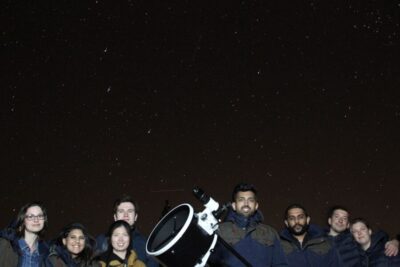
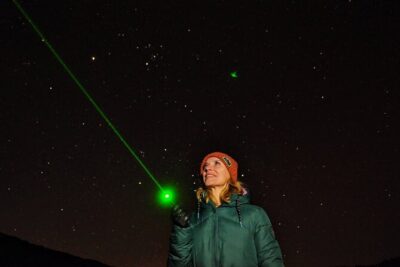
I like two things right away. First, the guides bring the sky down to Earth with clear explanations, and names like Steve and Phil pop up in people’s accounts. Second, you get more than eyeballing stars, you’ll use a computerized telescope plus a laser guide to stars.
One consideration: it gets cold up at these viewpoints. If the night is a full moon, you may see less faint star detail, even though the moon itself can look stunning.
Key Things I’d Pay Attention To
- West-facing sunset at Mirador de los Poleos with cava, often with Teide turning red near the horizon
- Teide National Park time after sunset plus a lookout stop connected to volcanic history
- Computerized telescope and laser guide for planets, the Moon, and other targets
- Stargazing spot can change based on weather, so be ready for an on-site decision
- English-only commentary, so come prepared if English is not your strong suit
- Group size up to 45, which can mean a busy meeting spot at the main viewpoint
Mirador de los Poleos, a West-Facing Sunset with Cava
This experience really starts with a view. You meet at Mirador de los Poleos (Santiago del Teide). The key detail is the orientation: it faces west, so the sky does its dramatic thing right in front of you. On a clear evening, you’re looking over La Gomera and La Palma, and the light change is the point.
Then you have the very Tenerife touch, a glass of cava (or a non-alcoholic drink). It’s not a long dinner-style pause. It’s a short toast while the sun falls below the horizon and the colors start shifting, including those moments when Mount Teide can take on a red tint and the clouds catch pink and orange tones.
If you’re into photos, this is where you can get the first batch. The sunset backdrop is wide, and it’s easier to frame the islands and the changing sky than it is once you’re strictly hunting tiny stars. One practical note: this mirador can feel crowded because it’s a popular meeting spot for multiple sky tours. It doesn’t ruin the experience, but it can make finding a personal space a little harder.
More stargazing nights up at Teide:
- Tenerife: Teide National Park Sunset & Stargazing Tour
★ 4.2 · 3,812 reviews - Tenerife: Sunset and Stargazing at Teide National Park
★ 4.7 · 2,826 reviews - Teide National Park Sunset & Stargazing with Dinner (Star Safari)
★ 5.0 · 2,601 reviews
A Volcanic-Story Route Into Teide National Park After Dark
After sunset, the plan shifts from golden light to volcanic night scenery. You’ll follow the group up into Teide National Park, with stops that connect the landscape to eruption history. The morning and daytime version of Teide is famous, but night-time changes the experience. Suddenly, you’re not trying to see every rock detail, you’re listening and learning while the sky takes over.
You’ll hear about the 1909 eruption as part of the park storytelling, then continue toward a viewpoint near Mount Samara. This part matters because it sets context. When you understand what you’re looking at, the sky session hits harder. You’re not just standing under stars, you’re standing in a place shaped by repeated volcanic change.
As the light fades, the viewing changes again. You can often see El Hierro from the later sunset viewpoint area, and when the clouds catch the last light, the sky looks like it’s being lit from behind. It’s a gentle build. You’re still mostly outdoors at each step, so dress for cold.
Stargazing Setup: Telescope, Laser Guide, and Real Targets
The heart of the experience is the stargazing session. You’ll set up at the stargazing point, and the exact end point can vary based on weather conditions. That weather flexibility is important in Teide, because cloud cover and haze can kill star visibility.
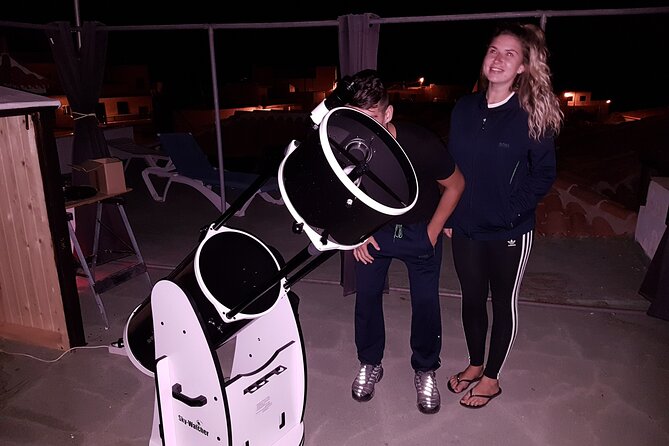
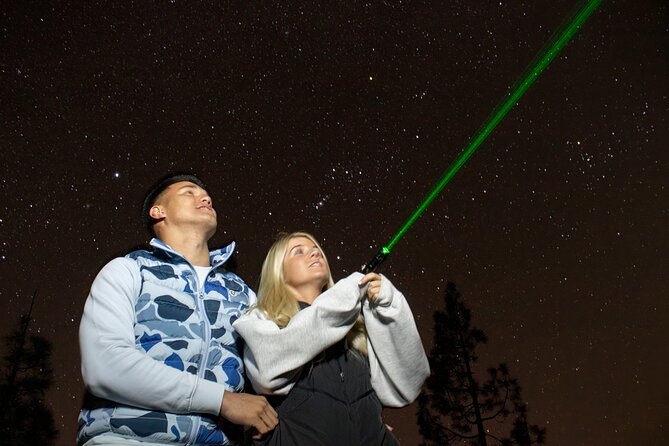
Once you’re in position, the guides set up a large computerized telescope and use a laser guide to point at what you’re seeing. This is not just a passive “look up” moment. The guides explain what’s in the sky and how to see it. People specifically note that the team is friendly and happy to chat, and that the explanations work even if you don’t stargaze often.
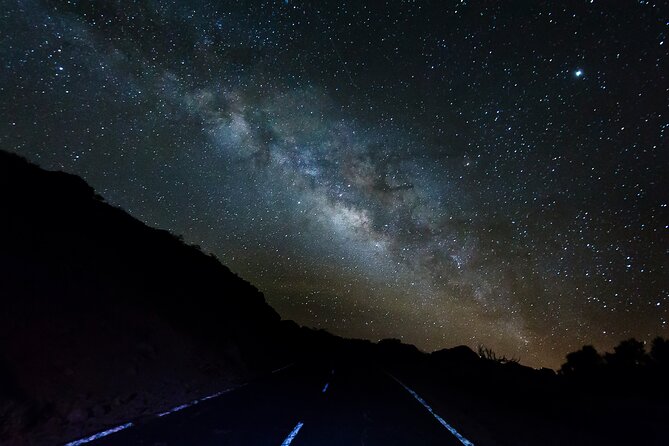
What do you get to see? Based on reported experiences, you can expect the Moon as a highlight, and telescope views may include planets. Some accounts mention seeing objects beyond basic star dots, including things like galaxies and nebula-type targets when conditions allow. You’re also likely to cover constellations and show you how the “pictures” in the sky fit together.
One thing to keep in mind: if you have a full moon, star visibility can drop. You’ll still get beauty and details from the moon itself, and you may get a gorgeous moon-rise or moon-over-mountain look. It just means the faint stuff may be harder to spot with your naked eyes.
Photography Guidance: From Red Teide to the Milky Way
If you care about photos, this is one of the best parts of the tour because you’re not left guessing. The guides provide expert advice on photography opportunities within the park. That matters because at Teide, you’re mixing two different challenges: sunset color and night-sky exposure.
For sunset photos, you’re working with big gradients in the sky and a mountain silhouette. For night photos, you’re dealing with low light, tripod positioning, and keeping the shot stable while your breath and hands fight the cold. You’ll get coaching geared toward what to aim for, when to switch from one target to another, and how to handle the moment when darkness really settles in.
One tip I’d take from the overall vibe: if the sky is clear, don’t leave right away after the first look. The colors shift, and then the stars start to pop as your eyes adjust. People often describe it as a spot you don’t want to leave once the sky session starts.
More Teide National Park tours:
- Tenerife: Mount Teide Tour with Cable Car Ticket & Transfer
★ 4.3 · 5,094 reviews - Teide National Park: Sunset & Stargazing Safari with Dinner
★ 4.6 · 2,115 reviews - Tenerife: Mount Teide, Masca, Icod and Garachico Day Trip
★ 4.5 · 2,065 reviews - Tenerife: Teide National Park Full-Day Tour with Pickup
★ 4.5 · 1,613 reviews
Self-Drive Reality Check: Simple, But Still a Plan
This is called a self-drive experience, so you drive yourself to the starting area. The big benefit is that you’re not stuck doing complicated transfers. You show up at Mirador de los Poleos, and then the guides handle the next parts, including moving onward to the park viewpoints and eventually the stargazing location.
That said, it’s not truly “solo roaming.” You’re guided through the sequence, and you’re part of a group. With a maximum group size of 45, your experience will feel like a small expedition, not a private, one-on-one night-sky lesson. Also, the meeting area at Mirador de los Poleos can be busy with other sky tours, so arrive a bit early if you want an easy setup.
The end point is also worth noting. The tour ends at the stargazing point, and it can vary based on weather. The listed end area is near Mirador de Samara, but expect that the final exact spot may be decided on-site.
Cold Weather Is Part of the Deal, Dress Like You Mean It
If there’s one repeated practical message, it’s this: it gets cold. People call it freezing, and they also mention that there may be warm jackets available to borrow. Don’t count on that as your plan A. Instead, bring the layers you trust for night-time outdoors.
Think in terms of keeping your core warm and your hands functional. Stargazing is slow. You might stand still for long periods while the guide explains what you’re looking at. Warm socks, a hat, and gloves can make the difference between enjoying the night and constantly checking the time.
English-Only Guidance and How That Affects Your Enjoyment
The commentary is English only. Most travelers can participate, but this is a big practical filter. If your English is solid enough to follow direction and explanations, you’ll likely get a lot more out of the telescope session.
If you’re traveling with kids, this same issue shows up. Some experiences mention that older kids handle the English explanations better, while younger ones may need help following along. If that’s your situation, you can still bring it to life by pointing at what the guide shows and asking simple questions.
Value and Timing: Why $48.01 Can Make Sense Here
At about $48.01 per person for roughly 2 hours 30 minutes, it’s not just a “stand and look” experience. You’re paying for three things that add real value in Teide National Park: access to guided viewing, use of a telescope, and an organized plan that includes both sunset and stargazing.
Also, timing helps. Sunset hours are short, and night-sky conditions are unpredictable. By bundling the schedule into one guided evening, you reduce guesswork and maximize the chance you’ll get a clear window for the sky session. One review also notes the team is serious about matching nights to conditions, which is exactly what you want when your success depends on weather.
The booking pattern supports that this is a popular evening plan. On average, it’s booked about 12 days in advance, so waiting too long can shrink your options.
Who This Tour Fits Best (And Who Might Want Another Plan)
This works best for you if:
- You want a two-part evening (sunset plus stars) without spending all day planning
- You care about seeing more than bare constellations, using a telescope and laser pointing
- You prefer an organized experience where guides help you find targets and improve photos
It might feel less ideal if:
- You’re looking for a fully private, zero-group, no-moving-between-spots kind of night
- You hate cold weather and plan to stand outside for long stretches
- You do not want an experience that depends on weather and possible location changes
Still, even with some group logistics, the core theme is strong. People report being looked after, getting lots of astronomy context, and enjoying the blend of cava, viewpoints, and telescope time.
Should You Book This Teide Sunset-to-Stars Tour?
I’d book it if you want a well-structured night in Teide National Park that blends big views with actual telescope viewing and practical star guidance. The value is strongest for people who don’t already know the sky or who want help photographing the sunset-to-night transition.
I’d think twice if you’re expecting total solitude, or if you’re worried about cold standing time. Also consider that a full moon can reduce visibility of faint stars, even though the moon experience can be spectacular.
If your goal is to spend one evening doing Teide the “sky way,” this is a very reasonable way to do it.
FAQ
What is the duration of the Polestar SELF-DRIVE Sunset Stars Tour in Teide National Park?
The tour lasts about 2 hours 30 minutes.
Where do I meet for the tour?
You meet at Mirador de los Poleos, 38690 Santiago del Teide, Santa Cruz de Tenerife, Spain.
Where does the tour end?
The tour ends at the stargazing point, which can vary depending on weather. The listed area is Mirador de Samara, 38688 Guía de Isora, Santa Cruz de Tenerife, Spain.
Is the tour offered in English?
Yes. The tour is English only.
What is included in the price?
Inclusions include the telescope and one glass of cava (or a non-alcoholic drink).
Is dinner provided?
No. No food is served, and there is no dinner.
Is the Teide National Park admission ticket included?
The admission ticket is listed as free for the Teide National Park stop.
Is the tour weather dependent?
Yes. The experience requires good weather. If it’s canceled due to poor weather, you’ll be offered a different date or a full refund.
What is the cancellation window for a full refund?
You can cancel up to 24 hours in advance for a full refund. Canceling less than 24 hours before the start time is not refundable.
More Evening and Sunset Trips in Tenerife
- Los Cristianos: Eco Yacht Whale Watching Tour at Sunset
★ 4.6 · 2,130 reviews - Teide by Night: Sunset & Stargazing with Telescopes Experience
★ 4.5 · 1,492 reviews - Teide: Guided Sunset & Stargazing Tour by Night with Dinner
★ 4.7 · 1,339 reviews - Sunset & Stargazing Experience From Teide
★ 4.5 · 1,129 reviews
Recently reviewed around Tenerife
- Tenerife: Photography Sessions – Families, Couples, Friends★ 5.0 · 26 reviews
- 3h Whale Watching Private tour Beneteau Oceanis 440★ 5.0 · 3 reviews
- Vuelo Parapente Tenerife Teide (2200 metros)★ 3.0 · 29 reviews
- Beginner Scuba Dive with Scubapoint Tenerife in Turtle Area★ 4.7 · 8 reviews
- Tenerife: 2 Diving Sessions for Certified Divers★ 4.2 · 7 reviews
- Tenerife Wine: Guided Tour & Tasting with Canarian bites★ 4.9 · 42 reviews
- sunset stand up paddle★ 5.0 · 29 reviews
- Quad tour (option : Teide morning or Sunset tour)★ 4.5 · 26 reviews
Teide Stargazing Tours, compared.
Teide National Park Sunset & Stargazing with Dinner (Star Safari)
Read our review →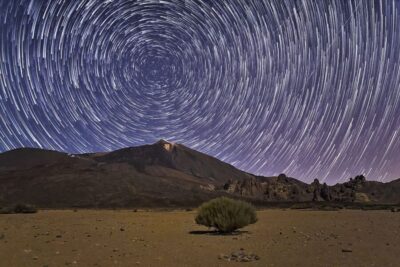
Teide National Park: Sunset & Stargazing Safari with Dinner
Read our review →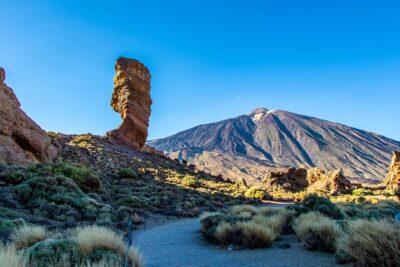
Teide by Night: Sunset & Stargazing with Telescopes Experience
Read our review →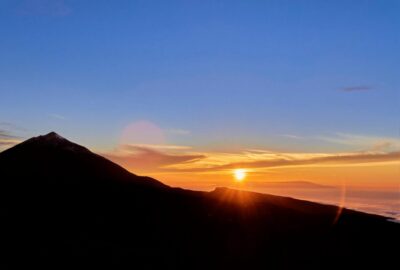
Teide: Guided Sunset & Stargazing Tour by Night with Dinner
Read our review →
Teide Night Experience with Dinner and Stargazing
Read our review →Browse the lists this tour appears in