Reviewed · SCUBA DIVING
South of Tenerife : DSD Scuba Diving for beginners, Adeje
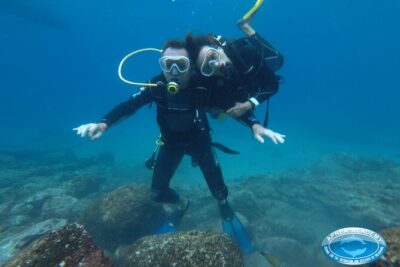
This beginner scuba course in Adeje is interesting because it turns your first underwater moments into a step-by-step lesson, not a guess-and-go adventure. You start with beach theory, move into shallow water for hands-on skills, then head out to look for marine life to a max depth of 12 meters.
I love the clear two-part format because you learn the equipment and safety steps first, then practice them immediately. I also like the small group size (up to 6), which helps instructors stay close and correct things fast, like balance and control, even when you feel a bit wobbly.
One consideration: first-timers can find balance and buoyancy tricky at first, and the course is only about 3 hours, so you’ll move at the group pace. Also, pictures are not included if you were hoping for a photo set.
Key Points You’ll Care About
- Beach theory before you go in: you practice what you’ll do underwater, so the second part feels less random.
- Regulator breathing and buoyancy control in shallow water: you build confidence before going deeper.
- Max depth of 12 meters: a realistic step for beginners who want a real underwater look.
- Up to 6 people per group: more attention per person, especially on your first skills drills.
- Instructors who slow things down: names like Juan, Zoey, Kris, Mitch, and Ellina show up in past learning experiences.
- Equipment, A/C transport, and diving insurance included: you’re not piecing together basics at the last minute.
Where It Starts in Costa Adeje (and How Pickup Works)
The day kicks off at 8:45am, with the meeting point inside Hotel GF Isabel on Av. de Moscú 2, Costa Adeje. You’ll meet the crew there, get checked in, and then head toward the training beach and water area as needed.
Pickup is offered, and here’s the practical bit: the pickup time depends on your hotel location and the day’s schedule. After booking, you’ll need to contact the operator to arrange when they collect you. If you’re staying close to the meeting point, you might do better by walking in, since it keeps the morning simple.
You’ll also receive a mobile ticket, and confirmation comes right after you book. That combination is useful on vacation days when you don’t want to juggle paper and extra emails.
More dive trips in Tenerife:
- Tenerife: Beginners Scuba Dive Experience in Turtle Area
★ 4.6 · 1,347 reviews - Tenerife: Beginner’s Dive at a Spot with Turtle Sightings
★ 4.7 · 627 reviews - Tenerife First Time Scuba Dive – Turtle Habitat, Small Groups
★ 4.5 · 456 reviews
Beach Theory: Your Safety Basics and Equipment Overview
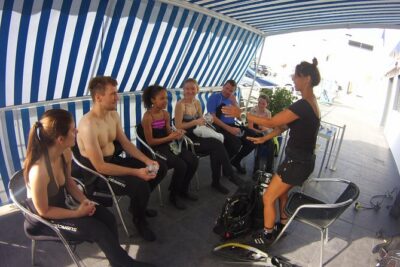
Before you’re anywhere near the water, you’ll do a theory class at the beach. This isn’t just a checklist. You get a careful explanation of the steps you’ll follow, plus a breakdown of the equipment parts used during the course.
For a beginner, that matters more than most people expect. When you understand what each item is for and what you’re supposed to do, your brain stops scanning for danger and starts focusing on learning. It also makes it easier to relax, since you’re not guessing what the instructor is about to ask from you.
In past sessions with this team, I like how the instruction style shows up in the outcomes: people often mention that the instructors are patient and calm when first-time students struggle with basics like balance. Even if you’re nervous, you’ll get a “here is what happens next” feeling before you step in.
Shallow Water Skills: First Regulator Breath and Buoyancy Practice
The second part is in shallow water. This is where you get the thrill of breathing through the regulator for the first time, while you learn to move properly and understand buoyancy.
You’ll also work with a buoyancy compensator to learn how buoyancy affects your position in the water. This is the part that can feel confusing at the surface, but shallow water is exactly where it should happen. The goal is not to be perfect. The goal is to build a control loop: breathe, feel, adjust, and try again.
Instructors like Juan and Ellina come up with a consistent theme in learning experiences, keeping students relaxed so they can actually enjoy the process. Zoey is also mentioned for teaching theory and then tying it directly to the hands-on part. That teaching style is especially helpful if you’re one of those people who thinks too much once the gear goes on.
A realistic expectation: if you’re new, your body might not “find balance” instantly. That’s normal. The best part of this format is that you’re not thrown straight into open-water exploration. You practice first, so when you move into deeper water, you’re already using the right tools.
Underwater at Up to 12 Meters: Marine Life and Guided Exploration
After you’ve gained confidence with the shallow-water skills, you’ll move into the water to search for marine fauna. The course takes you to a maximum depth of 12 meters, which is a meaningful target for beginners because it’s deep enough to feel like real underwater travel, but still within a controlled learning range.
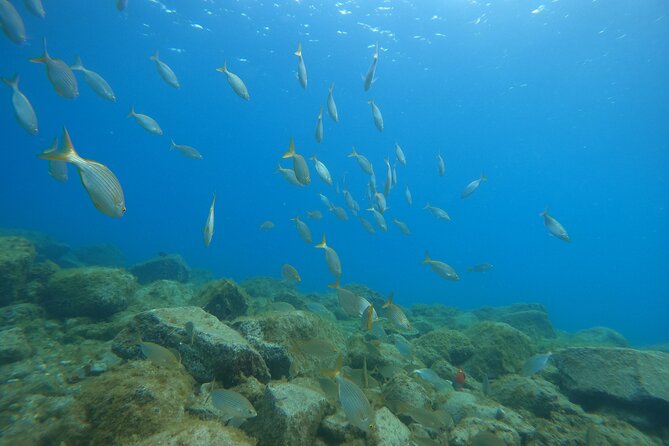
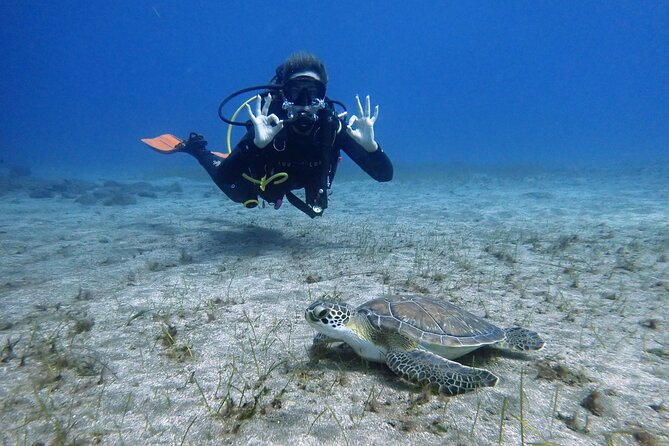
What you may see tends to be about colorful reef fish, plus larger and more memorable creatures. Based on past underwater sightings from students, it’s possible to spot:
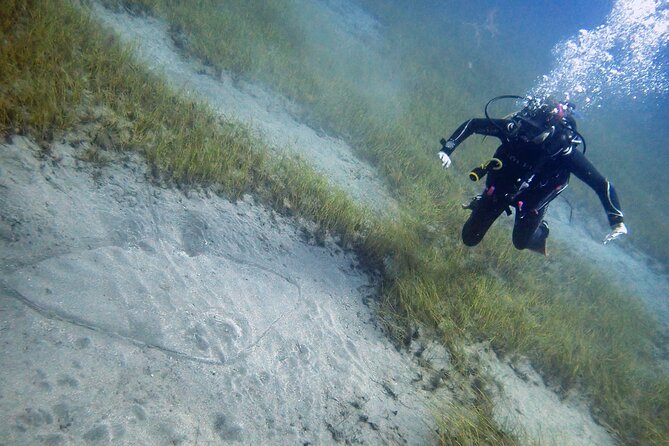
- sting rays resting or buried in the sand
- sea turtles swimming through the area
- plenty of small reef fish in bright colors around the reef
A big reason I recommend this specific beginner course is that it combines skill learning with a payoff moment. You’re not just training in empty water. You’re also looking at life, and the instructor’s role is to help you position yourself safely so you can actually observe, not just float.
Also, since the group is limited, you’re more likely to get personal attention if you need a quick correction on posture or breathing rhythm. That kind of support matters most when you’re trying to look around and you’re also learning to stay calm.
Same island, a completely different kind of day:
- Siam Park Entry Tickets
★ 4.5 · 15,710 reviews - Tenerife: Eco-Yacht Whale and Dolphin Watching and Swimming
★ 4.7 · 15,619 reviews - Los Cristianos Respectful No-Chase Whale and Dolphin Safari
★ 4.6 · 12,782 reviews - Tenerife: Loro Parque Entry Ticket
★ 4.8 · 12,411 reviews
Instructors, Small Groups, and the Kind of Attention You Want
This experience is capped at a maximum of 6 travelers. That small size is a practical advantage. It reduces waiting time, and it gives instructors more chances to notice what’s happening with each student.
You’ll likely work with different members of the team during the day, and names that come up often in learning experiences include Kris, Mitch, Gabrielle, Juan, Ellina, Zoey, Aleks, and Muslim (sometimes spelled Mouslim). What ties these names together is not fame, it’s the teaching vibe: patience, clear explanations, and staying close while you get the hang of gear and movement.
If you want a calm pace, this matters. Many first-timers feel awkward at first, especially with balance. A gentle, structured approach makes that feel manageable rather than embarrassing. And if you’re traveling with a family member, the same type of patient handling is one reason people choose this crew again.
Price and Value: What You’re Really Paying For
At $102.13 per person for about 3 hours, you’re paying for a full beginner learning block with equipment and supervision, not just a boat trip.
Here’s what you get that helps justify the cost:
- Scuba equipment use (so you’re not hunting rentals separately)
- Air-conditioned vehicle (so the morning transfer is less of a sweat-fest)
- Diving insurance (included, which saves you a step and reduces uncertainty)
Two things that are not included:
- Pictures. If photos matter to you, plan to budget separately.
- No mention of included photo packages or digital media, so assume you’ll only have your own camera plan unless the team offers something off-menu.
Also, booked timing matters for value. This is commonly booked about 12 days in advance on average. If you’re traveling in busier weeks, I’d treat that as a hint to book sooner so you can get the morning slot that matches your energy level.
Is $102 a bargain? It’s fair. You’re covering instructor time, equipment, safety gear, and insurance in a small-group format. For your first underwater course, that’s exactly the kind of “pay once, relax more” deal you want.
Tips to Get More Comfort Out of Your First Skills Session
Because the course includes both theory and hands-on shallow practice, you’ll do best if you prepare mentally for the learning curve. Here are practical moves that match what first-time students tend to wrestle with.
- Arrive on time at 8:45am. Your day runs on training flow, not on your schedule.
- Listen closely during the beach class, even if the gear feels basic. That foundation is what helps you relax underwater.
- Expect balance to feel weird for a bit. If it does, that’s not you failing. It’s the body adapting.
- Focus on slow breathing once you’re in shallow water. Moving slowly makes buoyancy practice easier.
- Bring confidence, not expectations. Your goal is to learn the motions and enjoy the marine life after.
And a simple humor note from real life: the first time you wear scuba gear, it always feels slightly oversized until you get your brain to stop fighting it. Once that clicks, everything gets easier fast.
Who Should Book This Beginner Scuba Course in Adeje
This is a strong match if you:
- want a first scuba course with structured teaching
- like the idea of shallow practice first, then a guided look at marine life
- prefer a small group instead of being one face in a crowd
- value instructor support when learning balance and buoyancy
It’s also appealing if you’re traveling as a couple or family, since the team has experience supporting different comfort levels. If you’re bringing someone who feels nervous in water, I’d especially push for this type of patient, step-by-step style.
If you hate learning situations and would rather just see fish, you might feel restless during theory. But if you want the skills so you can enjoy the experience more, this format is built for you.
Should You Book This Beginner Underwater Course?
If you want a first scuba experience in Tenerife that mixes instruction with real wildlife viewing, I think this is an excellent choice. The biggest wins are the beach theory that sets you up, the shallow-water skills that build confidence, and the small group size that helps you get corrected without feeling rushed.
Book it if you’re ready to learn, even if your first attempts feel a little awkward. Skip it only if you’re hoping for a purely scenic water outing with no training focus at all. For most first-timers, that blend is exactly what makes the day memorable.
FAQ
Where does the course meet in Costa Adeje?
You meet inside Hotel GF Isabel at Av. de Moscú 2, 38660 Costa Adeje, Santa Cruz de Tenerife, Spain.
What time does the activity start?
The start time is 8:45am.
Is pickup available, and what should I do to arrange it?
Pickup is offered. The pickup time depends on your hotel location and the schedule. After booking, you need to contact the operator to arrange pickup time.
How long is the beginner scuba course?
The duration is about 3 hours.
How deep will you go?
You’ll go to a maximum depth of 12 meters.
What’s included in the price?
Included: use of scuba equipment, air-conditioned vehicle, and diving insurance.
Is the course offered in English?
Yes, it is offered in English.
What is the group size limit?
The group has a maximum of 6 travelers.
Are pictures included?
No, pictures are not included.
What happens if the weather is poor, or if I cancel?
This experience requires good weather. If it’s canceled due to poor weather, you’ll be offered a different date or a full refund. You can cancel for free up to 24 hours in advance for a full refund.
Recently reviewed around Tenerife
- Shibari on the Beach★ 5.0 · 13 reviews
- Self Guided Scavenger Hunt – Costa Adeje★ 4.5 · 30 reviews
- Whale and dolphin watching tour Los Gigantes and Masca in small groups★ 5.0 · 30 reviews
- Sealife Dolphin & Whale Watching aboard Portuguese schooner★ 4.0 · 7 reviews
- Private boat tour★ 5.0 · 6 reviews
- Tenerife Under The Sea – dive into 1-1 personalised experience★ 5.0 · 15 reviews
- Scuba Night Dive on Tenerife★ 5.0 · 6 reviews
- Fishing trip, Tenerife Sea Passion★ 4.5 · 68 reviews
Scuba Diving, compared.
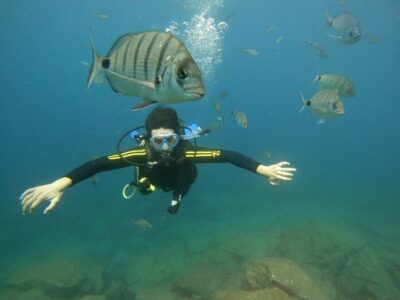
Beginners Scuba Dive Experience in Turtle Area
Read our review →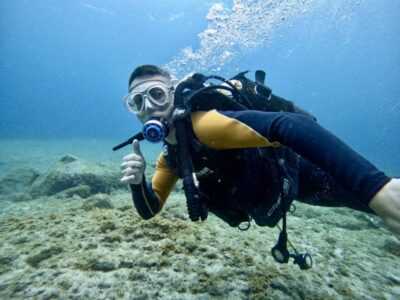
Beginner’s Dive at a Spot with Turtle Sightings
Read our review →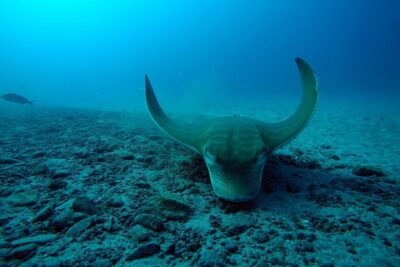
Tenerife First Time Scuba Dive – Turtle Habitat, Small Groups
Read our review →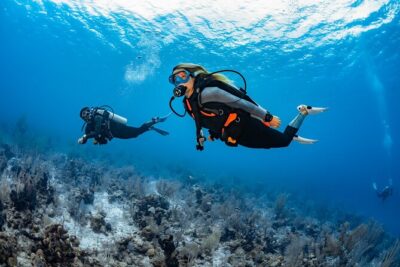
Try Dive – PADI Discover Scuba Diving in Tenerife
Read our review →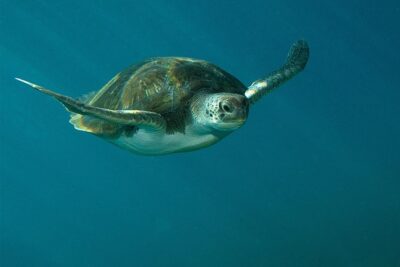
RECREATIONAL DIVE (certified divers only) : Explore Canarian Sealife
Read our review →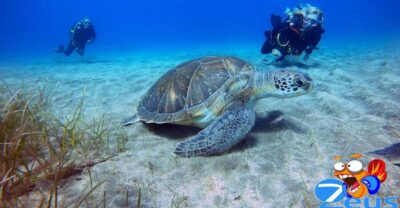
Scuba Diving Beginner’s Session in Costa Adeje
Read our review →