Reviewed · SCUBA DIVING
PADI Advanced Open Water Diver Course (AOWD) – 2 days
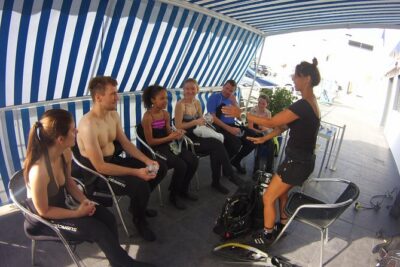
This is interesting because it is not just about going underwater, it is about getting better fast, with a PADI Advanced Open Water AOWD structure and close coaching. The small group size (max 8) also matters here, because you get real attention, not a one-size-fits-all check-out.
I especially like the instructor teamwork I saw in the program, with names like Giulia and Pauline building skills in buoyancy and navigation, plus Fran guiding deeper, shipwreck-focused work, and even a first night session for some students. Safety comes first, but the vibe stays friendly and fun, which is exactly what you want during a short course.
The main drawback to think about is the setup requirements. You must already have Open Water certification, be physically fit to dive, and plan around that 12-hour window before a flight.
Key things that make this AOWD in Tenerife worth it
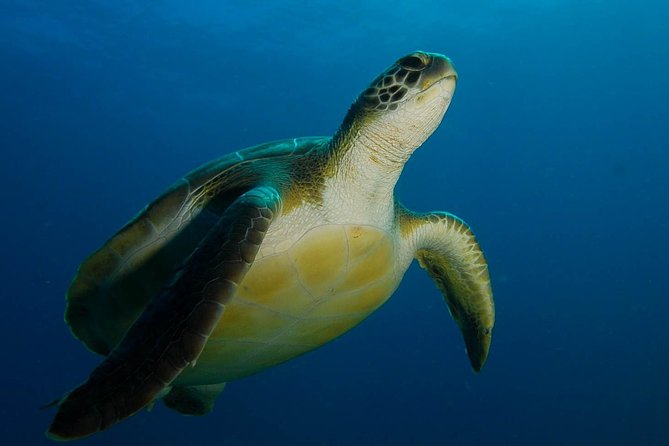
- Small-group attention with a max of 8 people, which helps instructors spot small technique issues early
- Skills-focused coaching like underwater buoyancy and navigation training, taught by instructors such as Giulia and Pauline
- A real mix of experiences including deeper work, a shipwreck session, and a first night session
- Gear and learning materials included, so you do not lose time on rentals and admin
- Based in Radazul, with access to multiple east-coast underwater locations
- Underwater sessions can count toward PADI specialties, since each Adventure session may credit toward the first part of a matching specialty course
PADI AOWD Tenerife in 2 days: what you are really paying for
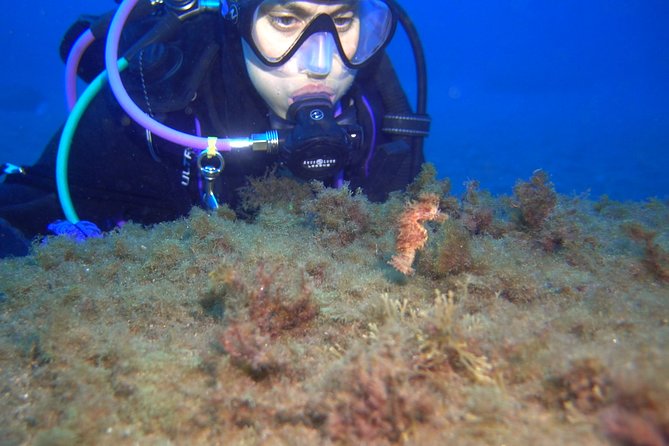
You are paying for a structured progression. A two-day PADI AOWD course is built to take you from comfort to control, using different Adventure sessions so you try new skills under supervision. The big value is that it is not random fun. It is guided practice, with you logging training and building confidence step by step.
In Tenerife, that structure makes sense because the water time is efficient. You start at the Radazul base, get your gear sorted, and then spend your short window doing meaningful underwater sessions like buoyancy control, navigation, deeper and shipwreck-focused work, plus night practice. In other words, you are using your holiday time for skill building, not just checking off a photo.
Price-wise, $539.48 per person looks like a real “course price,” not a budget add-on. What helps is that key course costs are included: instructor time, gear, learning material, and PADI fees, plus local taxes. Photos are not included, and you will need your own scuba insurance, but the rest of the core training package is handled.
More dive trips in Tenerife:
- Tenerife: Beginners Scuba Dive Experience in Turtle Area
★ 4.6 · 1,347 reviews - Tenerife: Beginner’s Dive at a Spot with Turtle Sightings
★ 4.7 · 627 reviews - Tenerife First Time Scuba Dive – Turtle Habitat, Small Groups
★ 4.5 · 456 reviews
Meeting at Scubanana in Radazul, and why the location is practical
The experience starts at Scubanana in Puerto Deportivo, Av. Colón, nº1, 38109 Radazul in Santa Cruz de Tenerife. The start time is 9:00 am, and the activity ends back at the same meeting point.
This is practical for two reasons. First, the program is near public transportation, so you are not forced into renting a car just to get to training. Second, the Radazul setup is relaxed. Many students find it easy to reach water access points without making the whole day a car schedule.
And since the course is only about 2 days, shaving off friction matters. You want less time wrestling logistics and more time doing controlled skills in the water, especially for buoyancy and navigation where repetition actually helps.
What happens on those two days: a clear rhythm of skills and experiences
The course itself is built around multiple Adventure sessions. The common shape of an AOWD experience is five required underwater sessions, typically including navigation, buoyancy-related skills, deeper work, a wreck session, and a night session. Even if your exact selection can vary based on training needs, the goal stays the same: expand your scuba skills under direct instructor supervision.
Day 1 often focuses on foundations and comfort. That means you do technique work you can immediately feel and correct, like staying neutral (buoyancy) and planning a simple route (navigation). Day 2 usually leans into your next step experiences: deeper areas, shipwreck exploration, and night training, where you rely more on calm control and good buoyancy.
You also log your dives and progress as the course goes. That matters, because the AOWD is not just “try stuff.” It is training you can build on later.
One important planning note from the course guidance: you must be in conditions to dive, and you should avoid scuba time 12 hours before a flight. For a two-day course, this affects how you schedule your Tenerife travel on either end. If you are flying out right after, it can get tight.
Buoyancy and navigation: the skills that level you up fastest
If you want to get better quickly, focus on what the course teaches early and returns to often. In the instructor feedback, Giulia and Pauline are specifically associated with underwater buoyancy and navigation coaching. That is a strong sign you will not be left to guess.
Buoyancy training is where most new-to-intermediate divers feel the biggest improvement. Good buoyancy reduces stress, prevents damage to the environment, and makes you move more smoothly. If you have ever felt like you are fighting your breathing, weighting, or your body position, buoyancy work is how you fix that.
Navigation is the skill that turns “following someone” into “knowing where you are going.” It is also why AOWD feels like a step up. You learn how to plan your route, maintain orientation, and return safely without overthinking every second.
The sweet spot is getting correction in real time. With a small group, instructors can notice where your trim shifts, when you kick too hard, or when your heading drifts.
Same island, a completely different kind of day:
- Siam Park Entry Tickets
★ 4.5 · 15,710 reviews - Tenerife: Eco-Yacht Whale and Dolphin Watching and Swimming
★ 4.7 · 15,619 reviews - Los Cristianos Respectful No-Chase Whale and Dolphin Safari
★ 4.6 · 12,782 reviews - Tenerife: Loro Parque Entry Ticket
★ 4.8 · 12,411 reviews
Deeper work and shipwreck sessions: learning without panic
The deeper and shipwreck-related parts are where many people get nervous, even if they are excited. That is why it is reassuring when you hear that instructors like Fran introduce deeper and shipwreck-focused training, and you get guided instruction rather than a “good luck” approach.
Deep and wreck work usually raises two challenges: planning and control. You practice staying calm, managing breathing, and sticking to the course plan. Even if you are not doing advanced technical training, you are learning how to behave in environments that feel more complex.
Shipwreck underwater sessions are also great for observational skills. You start paying attention to structure, distance, and how light changes in and around objects. If your instructor is methodical, you can get a lot of learning out of the experience without it becoming intimidating.
The balanced truth: the more “technical” parts of AOWD can feel harder than simple skills. But instructors in this program emphasize safety first and still keep the mood relaxed, which is the right combination for building confidence.
Night session training: your first time should feel guided
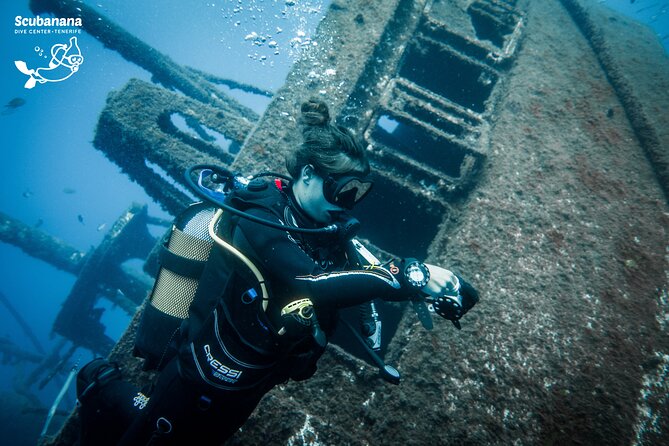
AOWD typically includes a night session, and in the feedback, Fran is mentioned for guiding a first-ever night experience for some students. Night training is not just about seeing fish in different lighting. It is also about managing awareness when visual cues shift.
You tend to slow down. You rely on your buoyancy and your calm breathing. You also learn how to handle visibility changes while staying within instructor guidance. In a good night session, you do not feel rushed. You feel coached.
If you have never done night work before, this can be one of the most memorable parts of the course, because it expands your comfort zone beyond the daytime routines.
Gear, materials, and what you should bring yourself
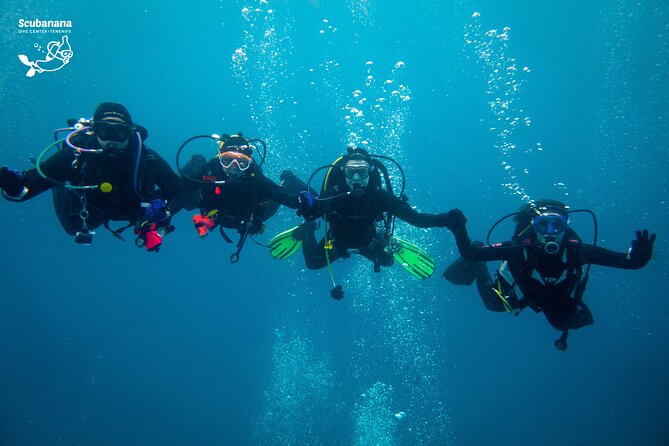
A strong practical point here is that you do not need to organize gear rental. Scuba gear is included, along with learning materials and PADI fees.
The two items that are not included are clear: diving insurance and photos. That means you should plan your insurance separately, and if you want keepsake images, you will need to budget for them or accept not having them.
One tip that stands out from the feedback: if you can, bring your own mask. One student mentioned renting or using a mask that did not fit well, and that made the experience less comfortable. AOWD includes time where you want to feel steady and not adjust constantly. A good fit helps you keep focus on skills.
Also, do not forget your log book. It came up in the guidance because course paperwork and logging are part of how you track progress.
Who this AOWD course is best for, and who should pause
This is not a beginner course in the sense of starting from scratch. You need Open Water certification to join, and you should be in physical conditions to dive.
It also helps if you are comfortable practicing skills under supervision. AOWD is designed to advance you, but that advancement comes from doing structured tasks like buoyancy and navigation, then applying them during deeper, wreck, and night underwater sessions.
The course also fits well if you want progression that leads to other PADI training. There is a credit note: each Adventure session may credit toward the first part of the matching PADI Specialty Course. If you have a specialty in mind already, it is worth asking instructors if you can apply credits later.
If you are traveling as a family, there is an interesting detail: PADI (Junior) Open Water Divers at least 12 years old can enroll in AOWD. So it can be a real “step up” option rather than a one-and-done experience.
The main pause moment is scheduling. If your flights are tight, remember the 12-hour before-flight caution. For many people, that alone decides whether AOWD fits.
Value check: is $539.48 fair for what you get
I look at value in three buckets: what is included, what takes effort off your plate, and whether the coaching matches the price.
Included items here are strong. You get gear, an instructor, learning material, and PADI fees, plus local taxes. That reduces “hidden costs” that often show up later in scuba training trips. The only common add-ons are insurance and photos, which you already know to plan for.
Then there is the small group limit of 8 travelers. That is huge for quality. In a course setting, the difference between 3 to 5 people and a larger class is not cosmetic. It affects how quickly instructors can correct technique and how often you get individual checks on buoyancy, trim, and navigation.
Finally, the feedback quality is very high. The program has a 5/5 rating and is 100% recommended in 18 reviews. The praise repeatedly lands on professionalism, safety-first teaching, and a relaxed, supportive atmosphere.
So yes, for a two-day, structured AOWD course in Tenerife, $539.48 looks like sensible value, especially if you were planning to rent gear anyway and want instruction that is genuinely hands-on.
Tips to make your AOWD in Tenerife smoother
Here are the practical things I would do before booking, based on the course requirements and the comfort tips shared:
Bring what matters for comfort
- If you have your own mask, use it. Fit reduces distractions.
- Bring your log book so you are ready for course paperwork.
Plan your flight timing early
- Do not schedule a flight within 12 hours of scuba waterwork. If you are flying out, pick a buffer day or keep your departure time later.
Come as Open Water certified
- The course is for people who already hold Open Water certification, so do not plan to start scuba training from zero.
Expect a small group and accept the coaching
- Small-group training means instructors may correct you more directly. It might feel strict for a minute, then it will click fast.
Should you book Scubanana’s PADI AOWD in Tenerife?
If you want a 2-day AOWD course that is structured, skill-focused, and taught in a small group, I think this is a strong pick. The coaching names in the feedback, like Pauline, Giulia, Fran, Isaac, Benny, and Denis, point to instructors who teach buoyancy and navigation, then help you handle deeper, wreck, and night experiences with confidence.
Book it if:
- You are Open Water certified and want the next step without messing with gear rental logistics.
- You care about safety and technique, not just collecting a memorable underwater story.
- You want a night session and wreck experience as part of a guided course.
Consider alternatives if:
- Your schedule is too tight for that 12-hour flight rule.
- You are not physically comfortable meeting the diving condition requirement.
- You expect photos to be included, since they are not.
If you are ready to improve quickly and you like the idea of learning with a coach looking over your shoulder, this AOWD setup in Radazul is the kind of practical training that pays off on every future underwater session.
FAQ
Do I need Open Water certification to take the AOWD course?
Yes. You have to be a certified Open Water Diver to take part in this activity.
What is included in the $539.48 price?
Local taxes, the diving instructor, diving gear, learning material, and PADI fees are included.
What is not included?
Diving insurance and photos are not included.
What is the maximum group size?
This activity has a maximum of 8 travelers.
What time and where do we meet?
The start time is 9:00 am, and you meet at Scubanana in Puerto Deportivo, Av. Colón, nº1, 38109 Radazul, Santa Cruz de Tenerife, Spain. The activity ends back at the same meeting point.
Can I fly soon after the course?
You should not dive 12 hours before a flight.
Recently reviewed around Tenerife
- Shibari on the Beach★ 5.0 · 13 reviews
- Self Guided Scavenger Hunt – Costa Adeje★ 4.5 · 30 reviews
- Whale and dolphin watching tour Los Gigantes and Masca in small groups★ 5.0 · 30 reviews
- Sealife Dolphin & Whale Watching aboard Portuguese schooner★ 4.0 · 7 reviews
- Private boat tour★ 5.0 · 6 reviews
- Tenerife Under The Sea – dive into 1-1 personalised experience★ 5.0 · 15 reviews
- Scuba Night Dive on Tenerife★ 5.0 · 6 reviews
- Fishing trip, Tenerife Sea Passion★ 4.5 · 68 reviews
Scuba Diving, compared.
Beginners Scuba Dive Experience in Turtle Area
Read our review →
Beginner’s Dive at a Spot with Turtle Sightings
Read our review →
Tenerife First Time Scuba Dive – Turtle Habitat, Small Groups
Read our review →
Try Dive – PADI Discover Scuba Diving in Tenerife
Read our review →
RECREATIONAL DIVE (certified divers only) : Explore Canarian Sealife
Read our review →
Scuba Diving Beginner’s Session in Costa Adeje
Read our review →